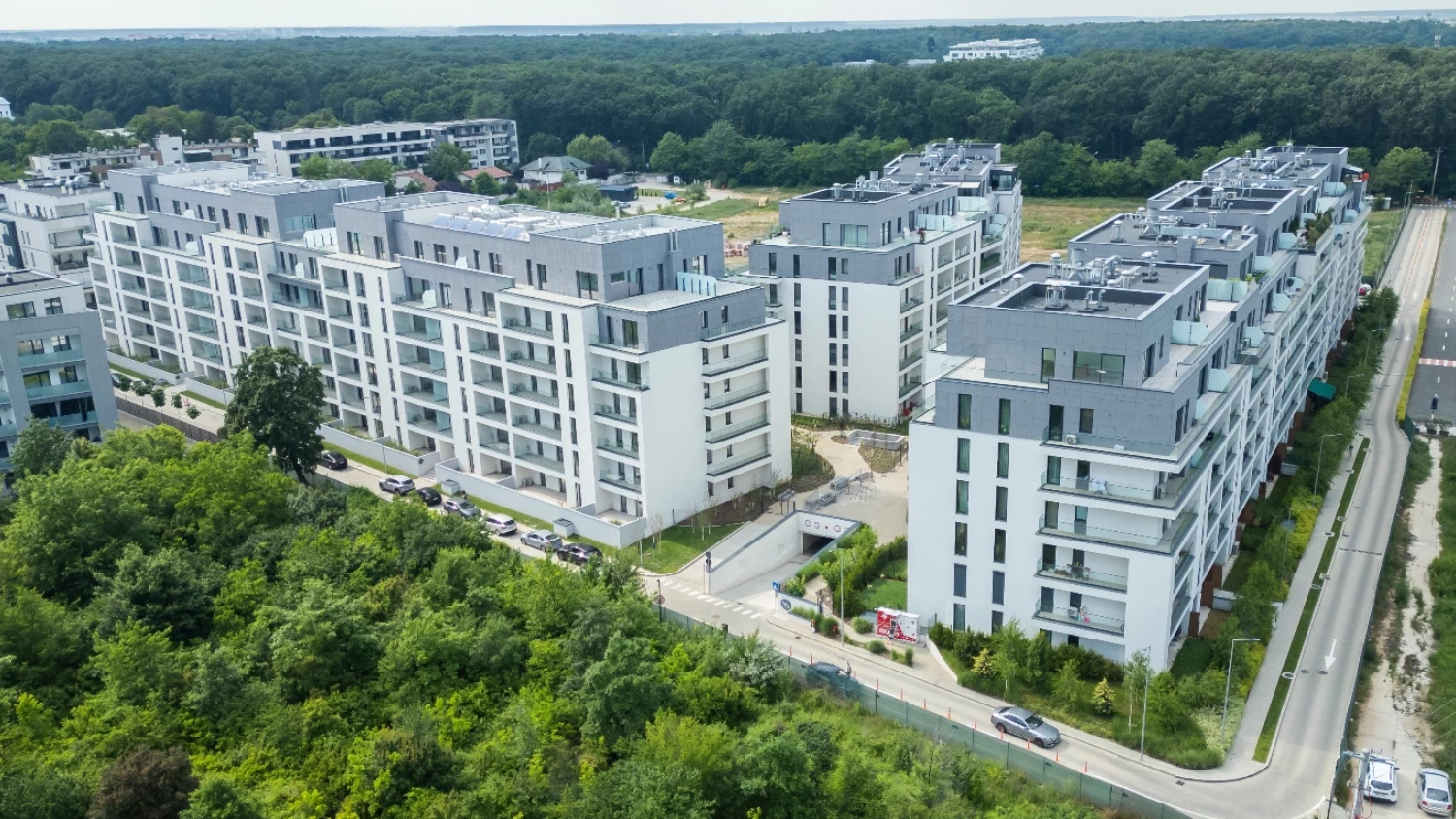
Romanian investors became the most important source of capital on the local real estate market, generating approximately 30% of transaction volume in 2025 and accumulating nearly €1.8 billion in investments over the past decade, according to Colliers' annual report.
Bucharest's office market recorded its first year without new project deliveries in over two decades in 2025. On this backdrop, total leasing demand fell by around 25% year-on-year to approximately 250,000 sqm, while new space take-up totalled close to 90,000 sqm, according to Colliers data.
Romania's industrial and logistics market continued growing in 2025, with over 300,000 sqm of modern space delivered, bringing total stock to approximately 8 million sqm, according to Colliers' annual report.
Romania's modern retail market exceeded 5 million sqm in 2025, following deliveries of approximately 190,000 sqm of new retail space, around 20% above the five-year average, according to Colliers' annual report.
Romania's land market closed 2025 with transaction volumes similar to 2024 levels, totaling nearly €450 million. Political uncertainty and fiscal adjustments affected the first half of the year, but market sentiment improved after elections, with the final months delivering some of the strongest results in recent years, according to Colliers.
Central Europe's commercial real estate sector is experiencing a transformation, with Hungary leading the recovery through an 86% year-on-year increase in investment driven by Asian capital from China and South Korea. The CATL factory in Debrecen and BYD in Szeged, along with the planned Volvo plant in Košice, Slovakia, are reshaping the region's industrial landscape and creating demand for logistics space.
The traditional December shopping surge has weakened across Europe, with Romania recording a 20% increase in non-food sales during the holiday month compared to the previous 11 months, according to Colliers analysis of Eurostat data from 2015-2024.
Colliers has published a new report focusing on CEE, examining economic and real estate trends across Bulgaria, Czech Republic, Hungary, Poland, Romania and Slovakia. The study shows that 2025 brought moderate economic recovery, easing inflation and rising focus on sustainability, while real estate markets were shaped by modernization, limited new office supply, strong logistics demand and retail park expansion.
Romania's modern retail market continues expanding, surpassing 5 million sqm of leasable retail space in 2025, according to Colliers data. The approximately 190,000 sqm delivered this year consolidated a stock heavily concentrated in Bucharest and five other counties, which together account for almost half of the total. However, Romania remains below regional peers in retail space per capita, indicating potential for further development.
Housing prices in Romania's major cities have increased by 60-90% over the past six years, making apartments increasingly unaffordable in central areas, according to a report by Colliers Romania. Bucharest saw a 60% rise, while Cluj leads with a 100% surge and Timișoara recorded 90% growth.
Confidence is returning across CEE real estate markets, with investor sentiment shifting from cautious optimism to execution, according to Colliers. The region continues to demonstrate resilience, supported by moderating inflation, solid household consumption, and strong employment levels.
CEE recorded a 38% increase in real estate investments in the first three quarters of 2025, reaching over €7 billion across six major markets, according to Colliers' latest report.
Romania's industrial and logistics sector recorded strong growth in the first three quarters of 2025, driven by activity in the Bucharest area. Total leasing demand reached almost 640,000 sqm between January and September, up 64% compared to the same period last year, according to Colliers data.
Globalworth has renewed its Access4you certification for all 16 office buildings in its Romanian portfolio, totaling almost 500,000 sqm. The recertification, conducted with consultancy services from Colliers, marks the second three-year certification cycle for the leading office investor in CEE.
Romania's construction sector represents nearly 8% of GDP in the past four quarters, the highest share in the European Union, according to Eurostat data analysed by Colliers. This level significantly exceeds the EU-27 average of 5% and confirms construction's growing importance in the local economy. Romania also recorded the second-fastest post-pandemic growth in construction activity within the EU.
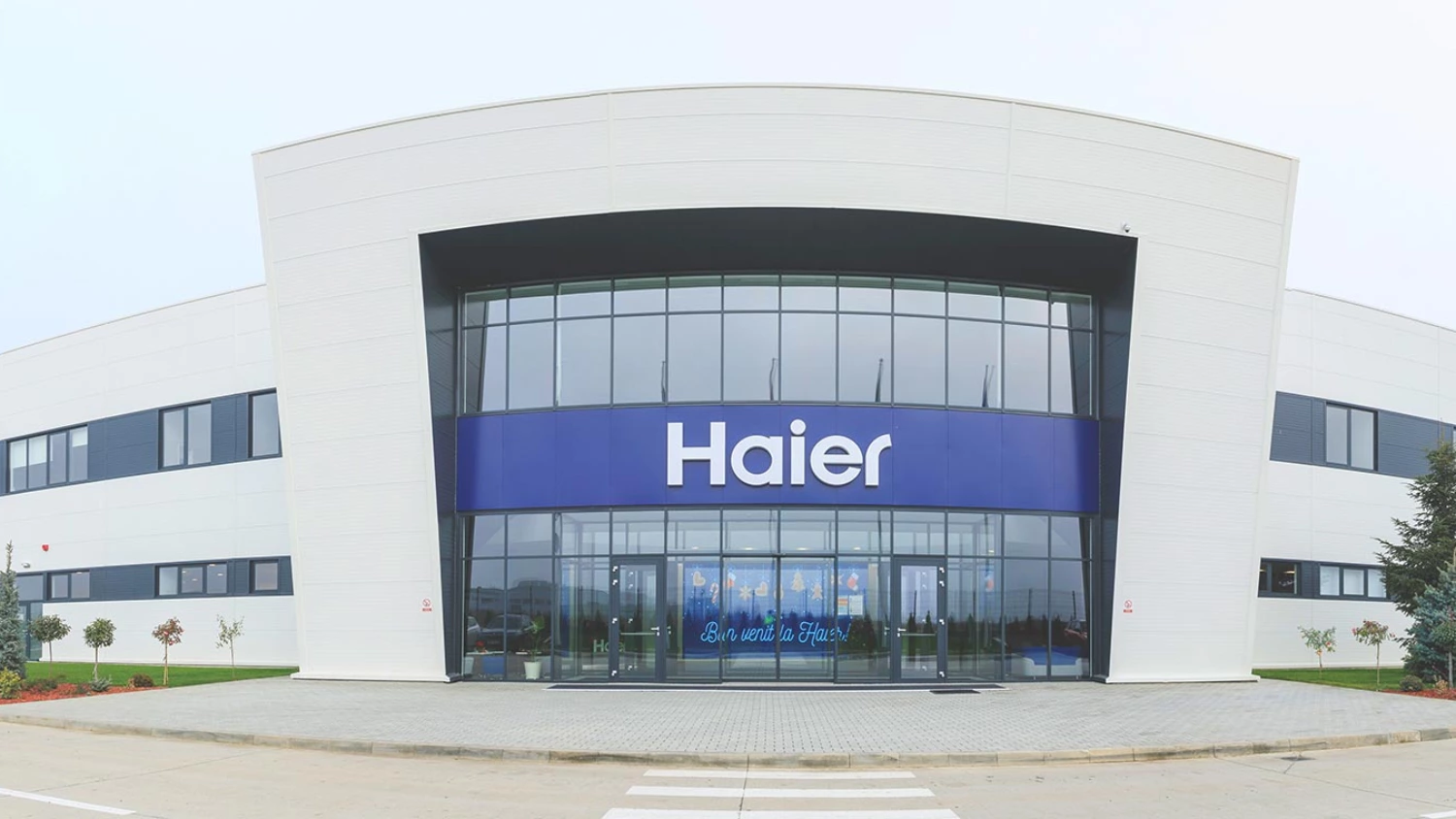
Colliers has been appointed exclusive consultant for the sale of Haier Tech Europe's factory near Ploiești, Prahova County, following a competitive selection process. The mandate includes representing Haier's interests in identifying potential buyers or end-users from the manufacturing sector.
CEE economies have been delivering solid GDP growth, outpacing many Western European peers despite external trade uncertainties and recent inflationary pressures, according to Colliers' latest report.
Demand for office space in Bucharest dropped by one-third in 2025, primarily due to reduced activity from IT companies, which generated only 10% of total leasing in the first nine months - the lowest level since 2010. Companies leased approximately 150,000 sqm of office space, while new demand fell by almost 30% to under 60,000 sqm.
Romania is positioning itself as a key retail market in Central and Eastern Europe, with developers shifting focus from large cities to smaller communities, according to a Colliers report. While large cities previously concentrated three quarters of modern retail stock, rising incomes and demand for modern formats are making communities of around 50,000 inhabitants attractive for new investment, with retail parks driving development.
Romania's hospitality industry recorded a 19% increase in turnover in the first half of 2025, the third largest advance in the European Union after Greece (35%) and Hungary (22%), according to Eurostat data cited by Colliers. Rising room rates have pushed local pricing into line with established CEE markets such as Poland and the Czech Republic, even though the number of overnight stays in hotels almost stagnated, with an increase of less than 4%.
Bucharest is consolidating its position within the Central and Eastern European (CEE) real estate market, combining rental growth across major asset classes with investment yields that remain well above Western European levels, according to the DNA of Real Estate Europe Q2 2026 report published by Cushman & Wakefield. Across Europe in Q2 2026, prime office rents rose 4.5% year-on-year, retail rents increased 3.0%, and logistics rents grew 2.4%, while investors remained selective as yield movements pointed to a more balanced market following the repricing cycle of recent years.
Energy company Electrica informs investors and the capital market that it has obtained the technical grid connection permits (ATR) for 17 new battery energy storage projects (BESS), with a total capacity of approximately 700 MWh.
The European Retail Banking Radar, Kearney's latest study now in its 18th edition, shows that Europe is entering a period of normalisation following the conditions of 2023–2025. For Romania, the challenge extends beyond the normalisation of interest rates.
Romania's national electricity transmission network operator, Transelectrica, has halted scheduled maintenance shutdowns to ensure the grid operates at maximum capacity during an ongoing extreme heatwave. The preventive measures aim to mitigate operational risks associated with severe weather conditions.
Digi Spain has announced its intention to launch an initial public offering (IPO) on the Spanish stock exchanges, aiming to raise approximately €150 million.