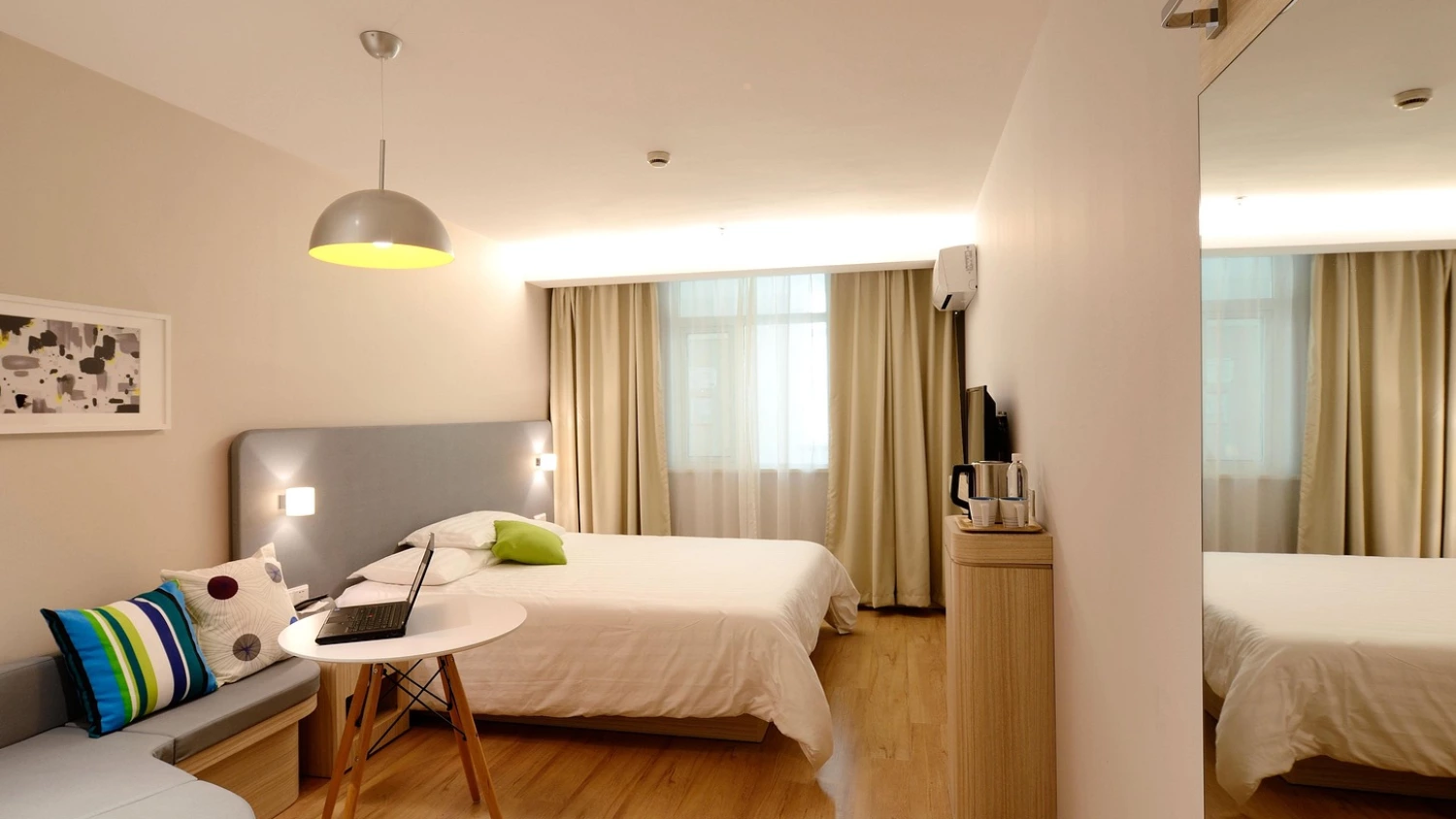
Romania's hotel industry recorded a 16% increase in turnover in 2025, reaching €2.2 billion, according to a Crosspoint Real Estate report, but the drivers behind this growth signal a structural shift. The advance is driven primarily by rate increases and the upscale segment, while overall demand has shown the first signs of softening.
Romania's short-term rental market continued to grow in 2025, confirming rising interest among property owners in this way of monetising real estate assets.
The residential market in Bucharest started 2026 with an 18.6% decline in apartment transactions in January-February compared to the same period last year, while in Ilfov County the decline was 10.9%, according to an analysis by Crosspoint Real Estate,
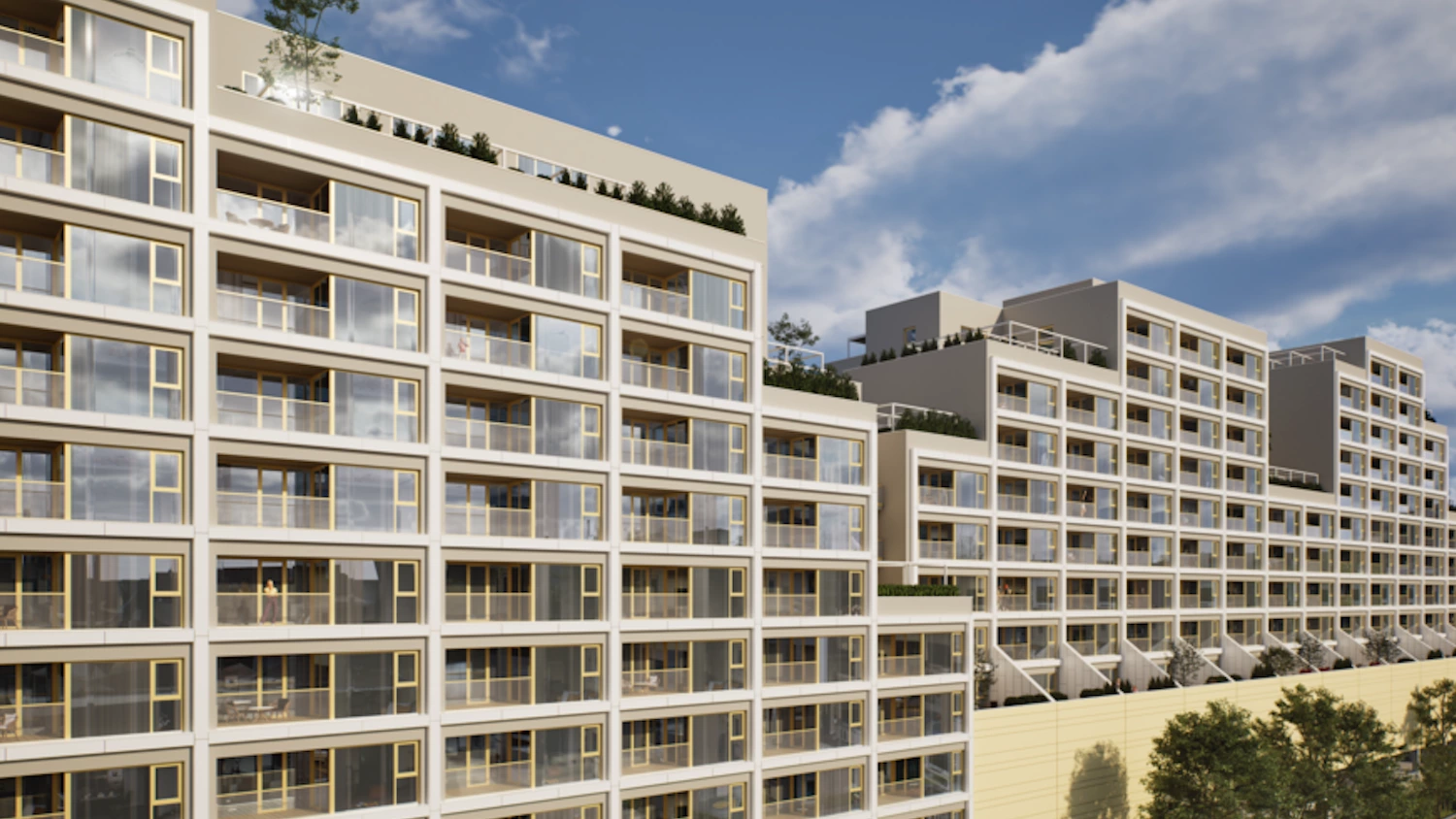
Cordia Romania, a member of the Futureal Group, has acquired an 8,179 sqm land plot in Bucharest from Bog'Art Place and has begun construction on Centropolitan, a residential project featuring 274 apartments and 3,345 sqm of integrated retail space.
The Bucharest office market saw last year a shift in hierarchy regarding the sectors generating the most transactions, according to a study by Crosspoint Real Estate. Companies in the banking and financial sector accounted for 25% of the gross leasing volume in Bucharest, surpassing the IT sector (23%) for the first time.
Bucharest is emerging as a primary destination for multinational corporations looking to establish Global Capability Centres (GCCs) due to lower office leasing rates and salary costs, finds a study conducted by Savills and CoreNet Global.
Investment in Europe's residential sector has grown by 15% year-on-year to €13.3 billion in H1 2025, according to Savills. However, Romania remains at the bottom of the list for institutional residential investments.
After a period dominated by the tech sector, H1 2025 saw a notable surge in interest from the financial-banking sector in the Bucharest office leasing market, according to data by Crosspoint Real Estate.
Hils Development, the real estate group owned by Romanian entrepreneur Ionuț Negoiță, has purchased two land plots spanning 12 ha in western Bucharest.
Romania's hotel market has recorded transactions with an average value under €5 million over the past 18 months, according to a Crosspoint Real Estate report.
Bucharest's short-term rental market had a booming post-pandemic evolution. In 2023 alone, the industry generated revenues of €41.3 million, nearly double compared to 2019.
Bucharest's short-term rental industry is expected to outperform the previous year's level and has already recorded estimated revenues close to €24 million in H1 2024, according to a Crosspoint Real Estate report.
Bucharest is consolidating its position within the Central and Eastern European (CEE) real estate market, combining rental growth across major asset classes with investment yields that remain well above Western European levels, according to the DNA of Real Estate Europe Q2 2026 report published by Cushman & Wakefield. Across Europe in Q2 2026, prime office rents rose 4.5% year-on-year, retail rents increased 3.0%, and logistics rents grew 2.4%, while investors remained selective as yield movements pointed to a more balanced market following the repricing cycle of recent years.
Energy company Electrica informs investors and the capital market that it has obtained the technical grid connection permits (ATR) for 17 new battery energy storage projects (BESS), with a total capacity of approximately 700 MWh.
The European Retail Banking Radar, Kearney's latest study now in its 18th edition, shows that Europe is entering a period of normalisation following the conditions of 2023–2025. For Romania, the challenge extends beyond the normalisation of interest rates.
Romania's national electricity transmission network operator, Transelectrica, has halted scheduled maintenance shutdowns to ensure the grid operates at maximum capacity during an ongoing extreme heatwave. The preventive measures aim to mitigate operational risks associated with severe weather conditions.
Digi Spain has announced its intention to launch an initial public offering (IPO) on the Spanish stock exchanges, aiming to raise approximately €150 million.