AI has become increasingly embedded in employees' day-to-day work over the past year. More than 48% of employees see AI as a tool that simplifies their work; however, many remain concerned about the broader implications of its growing integration, according to a survey conducted by Genesis Property early this year, on a sample of 1,146 employees.
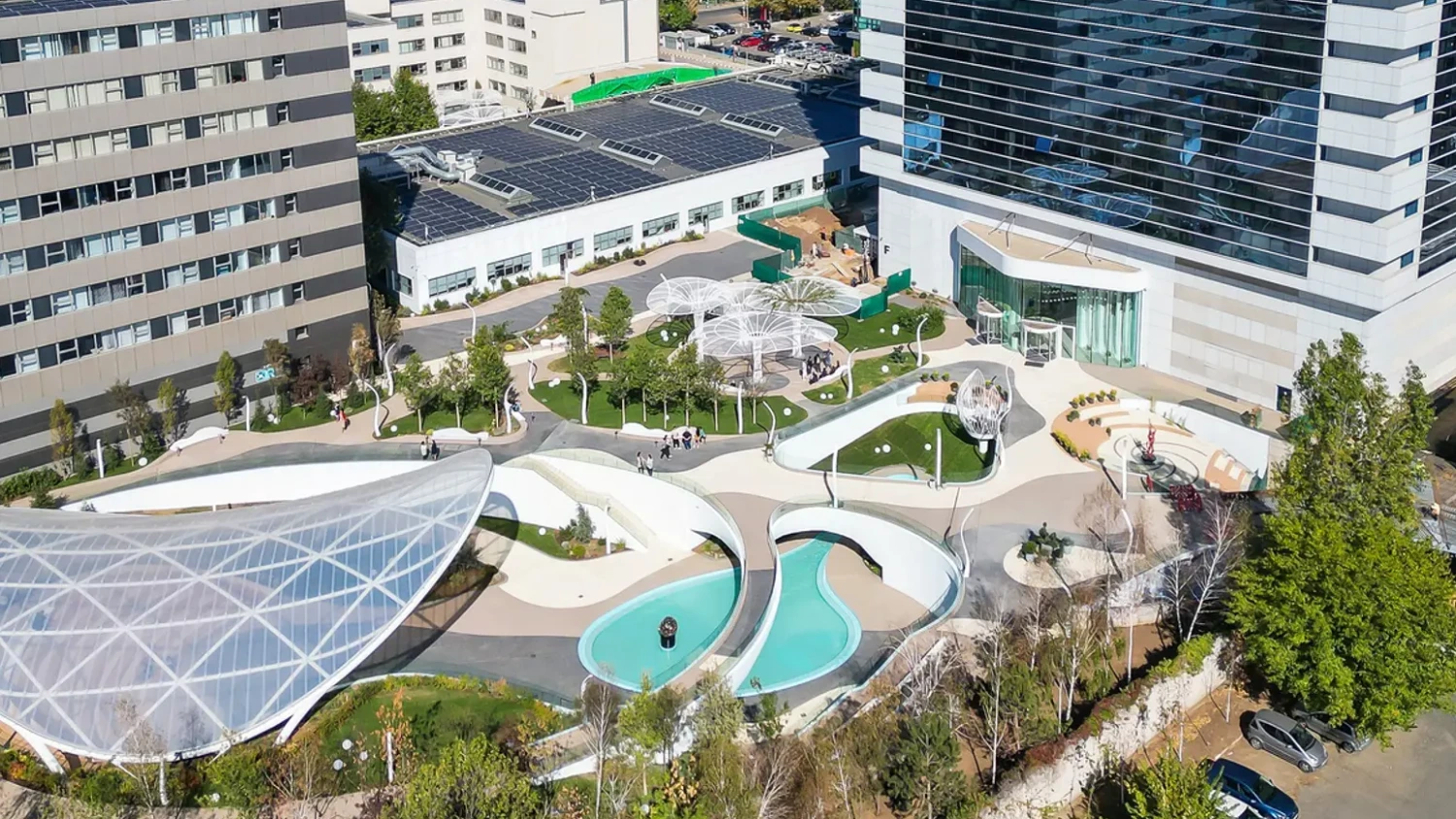
Romanian office developer Genesis Property has obtained Breeam Outstanding certification for the DE building in Bucharest-based Yunity Park. The certification was awarded for both asset performance (6 stars, 85.9%) and management (6 stars, 89.4%).
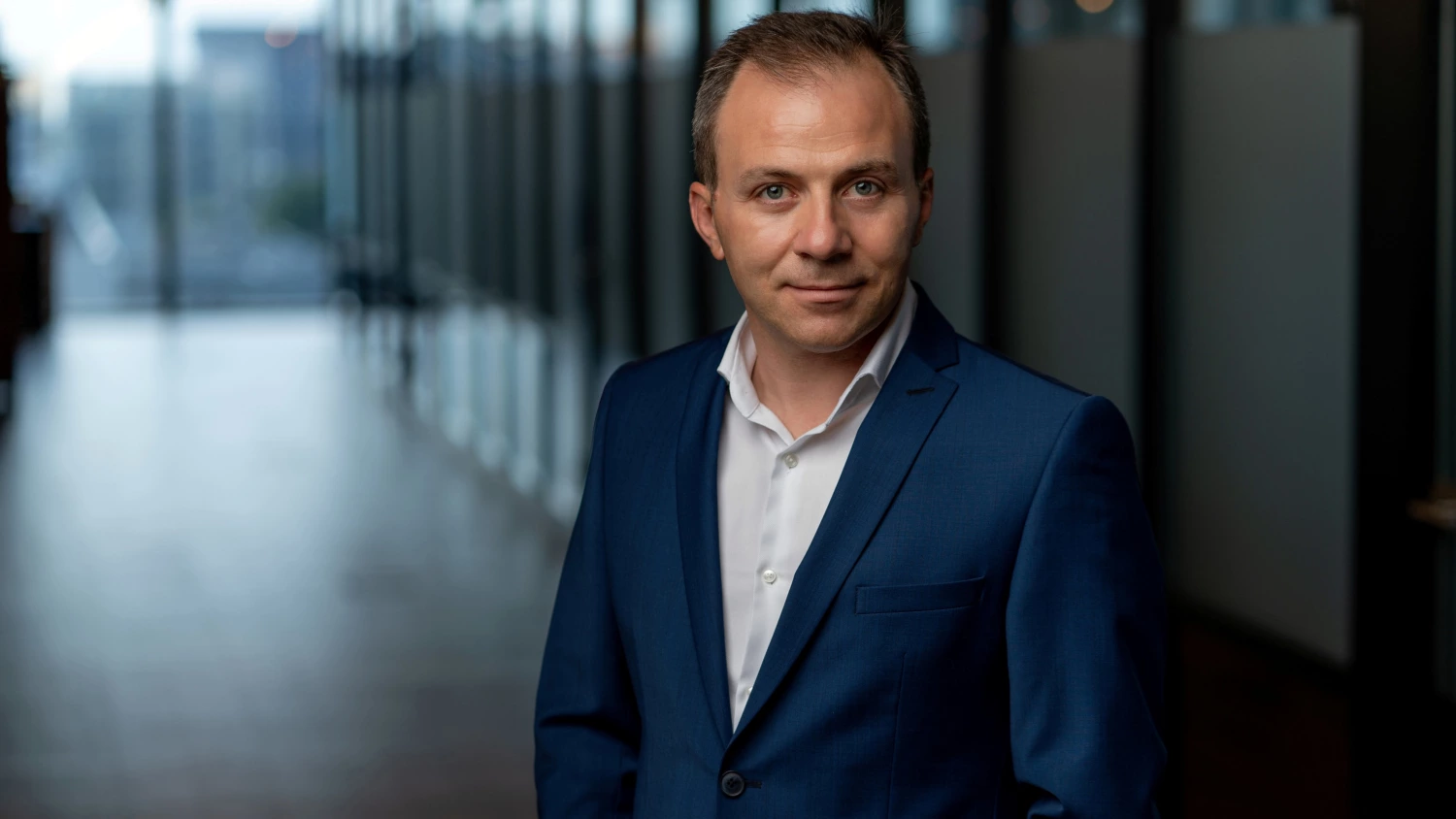
Romanian office developer Genesis Property has named Ionel Purice as CEO. He has previously held the position of CEO of Genesis Development, part of the same group.
Targets are considered "science-based" if they align with the latest climate science findings, particularly in relation to the Paris Agreement's goals.
At the same time, nearly 82% of employees of all ages consider their relationship with managers important or very important when making the decision to work more days at the office.
The electricity that powers the buildings owned by Genesis Property is also provided by the own production generated by the 1,080 photovoltaic panels installed on the roofs.
Among Millennials and Gen X employees, percentages are 56% and 52% respectively, according to a survey of 1,247 respondents nationwide by Genesis Property.
Today's employees are not looking for a simple job, but for a work environment that offers a complete experience and allows to combine work with recreation and relaxation.
Bucharest is consolidating its position within the Central and Eastern European (CEE) real estate market, combining rental growth across major asset classes with investment yields that remain well above Western European levels, according to the DNA of Real Estate Europe Q2 2026 report published by Cushman & Wakefield. Across Europe in Q2 2026, prime office rents rose 4.5% year-on-year, retail rents increased 3.0%, and logistics rents grew 2.4%, while investors remained selective as yield movements pointed to a more balanced market following the repricing cycle of recent years.
Energy company Electrica informs investors and the capital market that it has obtained the technical grid connection permits (ATR) for 17 new battery energy storage projects (BESS), with a total capacity of approximately 700 MWh.
The European Retail Banking Radar, Kearney's latest study now in its 18th edition, shows that Europe is entering a period of normalisation following the conditions of 2023–2025. For Romania, the challenge extends beyond the normalisation of interest rates.
Romania's national electricity transmission network operator, Transelectrica, has halted scheduled maintenance shutdowns to ensure the grid operates at maximum capacity during an ongoing extreme heatwave. The preventive measures aim to mitigate operational risks associated with severe weather conditions.
Digi Spain has announced its intention to launch an initial public offering (IPO) on the Spanish stock exchanges, aiming to raise approximately €150 million.