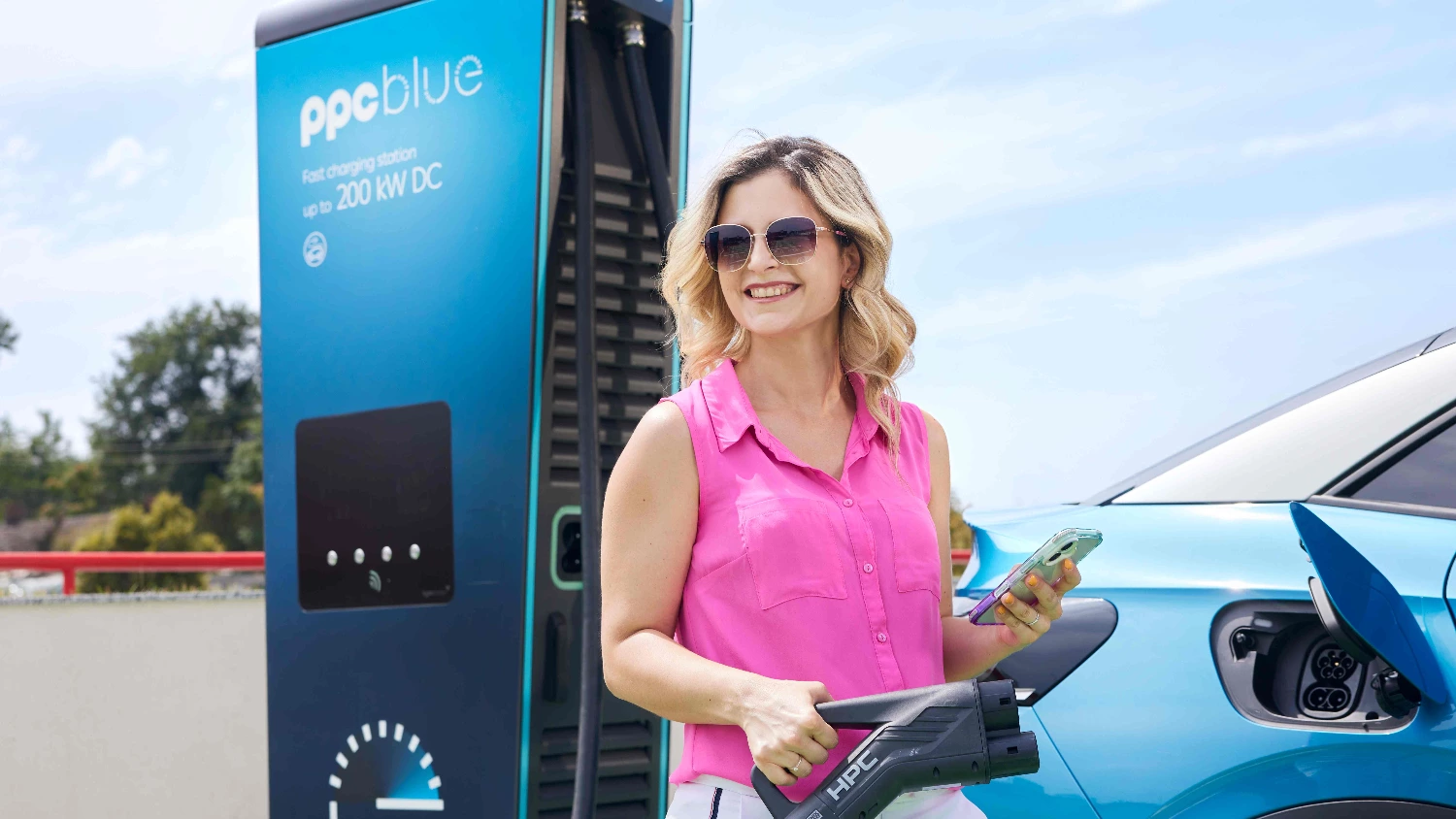
PPC and PPC blue Romania have secured €3.42 million in European funding through the Connecting Europe Facility (CEF) for installing fast charging stations across Romania and Greece.
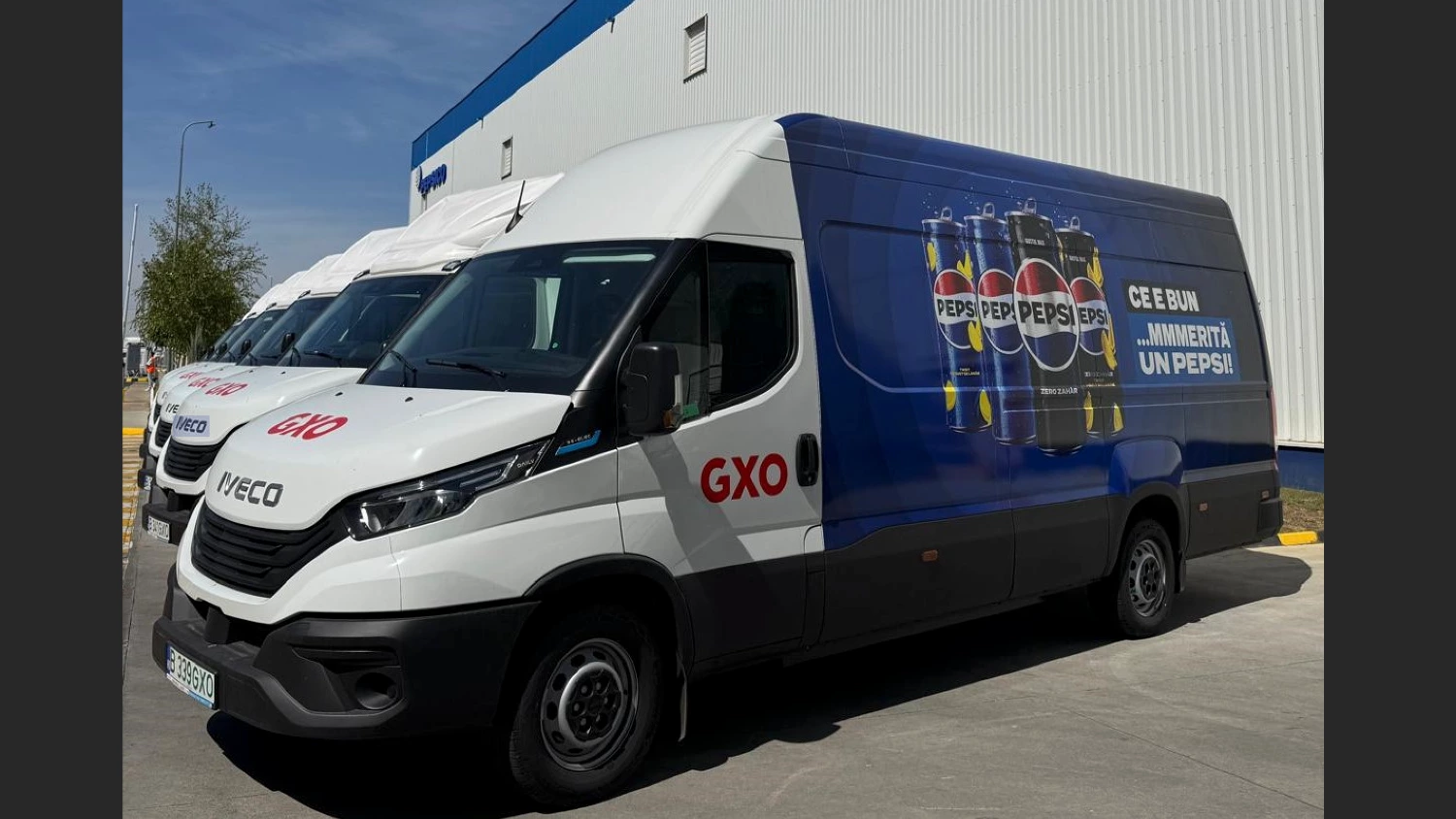
PepsiCo Romania has added 10 electric vehicles to its distribution fleet operated by GXO, comprising 8 trucks with 7.2-ton capacity and 2 vans of 3.5 tons.
Despite €3 billion mobilised through the European Battery Alliance created in 2017, only 3% of the investment needed in the battery supply chain has been made.
As part of the brand's launch strategy in Europe, Romania becomes one of the nine European markets to open sales for the first batch of Leapmotor C10 and T03 electric cars.
Bucharest is consolidating its position within the Central and Eastern European (CEE) real estate market, combining rental growth across major asset classes with investment yields that remain well above Western European levels, according to the DNA of Real Estate Europe Q2 2026 report published by Cushman & Wakefield. Across Europe in Q2 2026, prime office rents rose 4.5% year-on-year, retail rents increased 3.0%, and logistics rents grew 2.4%, while investors remained selective as yield movements pointed to a more balanced market following the repricing cycle of recent years.
Energy company Electrica informs investors and the capital market that it has obtained the technical grid connection permits (ATR) for 17 new battery energy storage projects (BESS), with a total capacity of approximately 700 MWh.
The European Retail Banking Radar, Kearney's latest study now in its 18th edition, shows that Europe is entering a period of normalisation following the conditions of 2023–2025. For Romania, the challenge extends beyond the normalisation of interest rates.
Romania's national electricity transmission network operator, Transelectrica, has halted scheduled maintenance shutdowns to ensure the grid operates at maximum capacity during an ongoing extreme heatwave. The preventive measures aim to mitigate operational risks associated with severe weather conditions.
Digi Spain has announced its intention to launch an initial public offering (IPO) on the Spanish stock exchanges, aiming to raise approximately €150 million.