
Romania's rental niche boosted by tight resi market

Business Forum
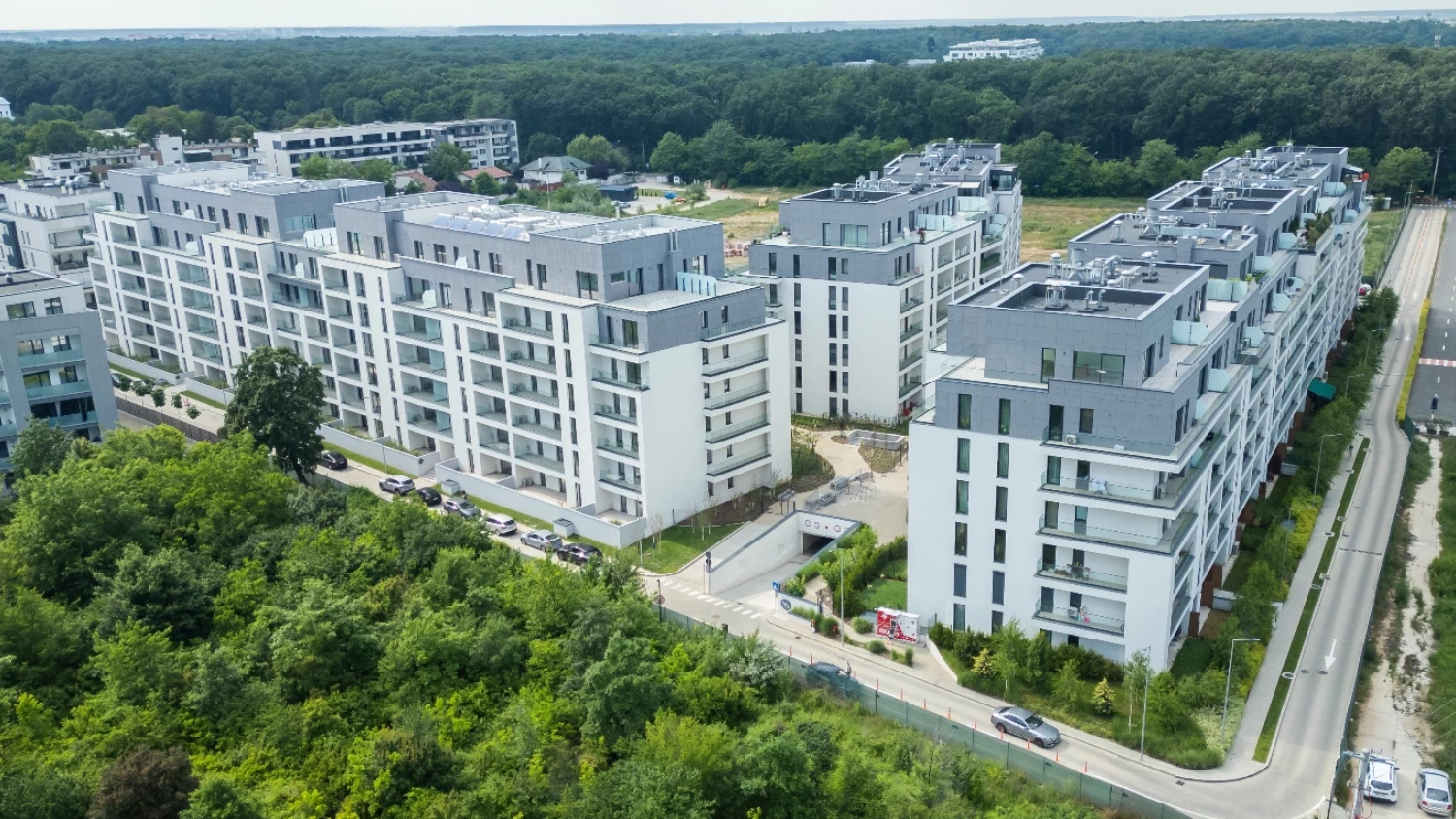
Romania's housing market faced a significant imbalance in 2024, with new home deliveries falling 15% nationwide and over 20% in Bucharest, while demand rose by 7%, finds a Colliers report.

This growing deficit is fueled by challenges such as limited access to financing, high construction material costs, and bureaucratic hurdles, which are hindering future development.

"Although housing deliveries remain above the average of the last decade, the gap with demand is becoming more evident," says Gabriel Blăniță, Director & Advisory Services at Colliers Romania. 

"Bucharest is feeling this trend most strongly, with high demand but limited development due to reduced land availability, strict regulations, and rising construction costs," he added.

The real estate market showed varied performance across cities. Bucharest saw a 5% increase in apartment transactions, while Cluj and Timișoara experienced 3-4% growth. Iași recorded the most significant jump, with a 40% surge driven by the delivery of a large number of new homes attracting buyers.

With limited housing availability and affordability challenges, the rental market is gaining traction. This trend is expected to continue in 2025, with limited supply and strong demand keeping upward pressure on prices.

"The rental market in Bucharest is following the pattern of more developed markets in Central and Eastern Europe," adds Blăniță. "In the long term, population growth, concentrated in major cities, maintains high demand in the residential market."

Colliers consultants anticipate that, barring a major economic crisis, this trend will persist in 2025. Demand will remain robust, supported by rising wages and the increasing need for housing. However, supply is projected to continue to decline, leading to further price increases and reduced housing affordability, especially in central areas.


RECOMMENDED
CEE property markets set for growth in 2026 amid supply gaps and modernization
Real estate

CEE property markets set for growth in 2026 amid supply gaps and modernization

Colliers has published a new report focusing on CEE, examining economic and real estate trends across Bulgaria, Czech Republic, Hungary, Poland, Romania and Slovakia. The study shows that 2025 brought moderate economic recovery, easing inflation and rising focus on sustainability, while real estate markets were shaped by modernization, limited new office supply, strong logistics demand and retail park expansion.

Bucharest housing prices surge 60% in past six years
Real estate

Bucharest housing prices surge 60% in past six years

Housing prices in Romania's major cities have increased by 60-90% over the past six years, making apartments increasingly unaffordable in central areas, according to a report by Colliers Romania. Bucharest saw a 60% rise, while Cluj leads with a 100% surge and Timișoara recorded 90% growth.

Romania leads Europe in construction with 8% GDP share
Real estate

Romania leads Europe in construction with 8% GDP share

Romania's construction sector represents nearly 8% of GDP in the past four quarters, the highest share in the European Union, according to Eurostat data analysed by Colliers. This level significantly exceeds the EU-27 average of 5% and confirms construction's growing importance in the local economy. Romania also recorded the second-fastest post-pandemic growth in construction activity within the EU.

Resi sales in Romania continue to fall going into Q2 2025
Real estate

Resi sales in Romania continue to fall going into Q2 2025

The Romanian residential market has seen transactions falling by nearly 9% in the first four months of 2025 compared to the same period in the previous year. In Bucharest, the fall in deals reached 12%, according to data released by Colliers.  

RECOMMENDED FROM THE HOME PAGE
Banks in CESEE region show growing confidence in credit
Finance

Banks in CESEE region show growing confidence in credit

Banks in Central Eastern South-Eastern Europe report improving trends, with credit demand remaining robust, particularly from companies, while banks anticipate improvement in credit supply following a period of contraction.

Economy

Romania's trade deficit narrows in first 11 months of 2025

Romania's trade balance deficit (FOB/CIF) for January-November 2025 reached €29.77 billion, down €299.6 million (-1.0%) compared to the same period in 2024, according to data published by the National Institute of Statistics (INS).

Economy

Romanian chamber of commerce backs EU-Mercosur trade deal

The Romanian Chamber of Commerce and Industry (CCIR) has unanimously decided to support the free trade agreement between the EU and Mercosur, backing the decision made by the European Association of Chambers of Commerce (Eurochambres) at its November 2024 General Assembly.

READ MORE
Business Forum  |  13 January, 2026 at 3:28 PM