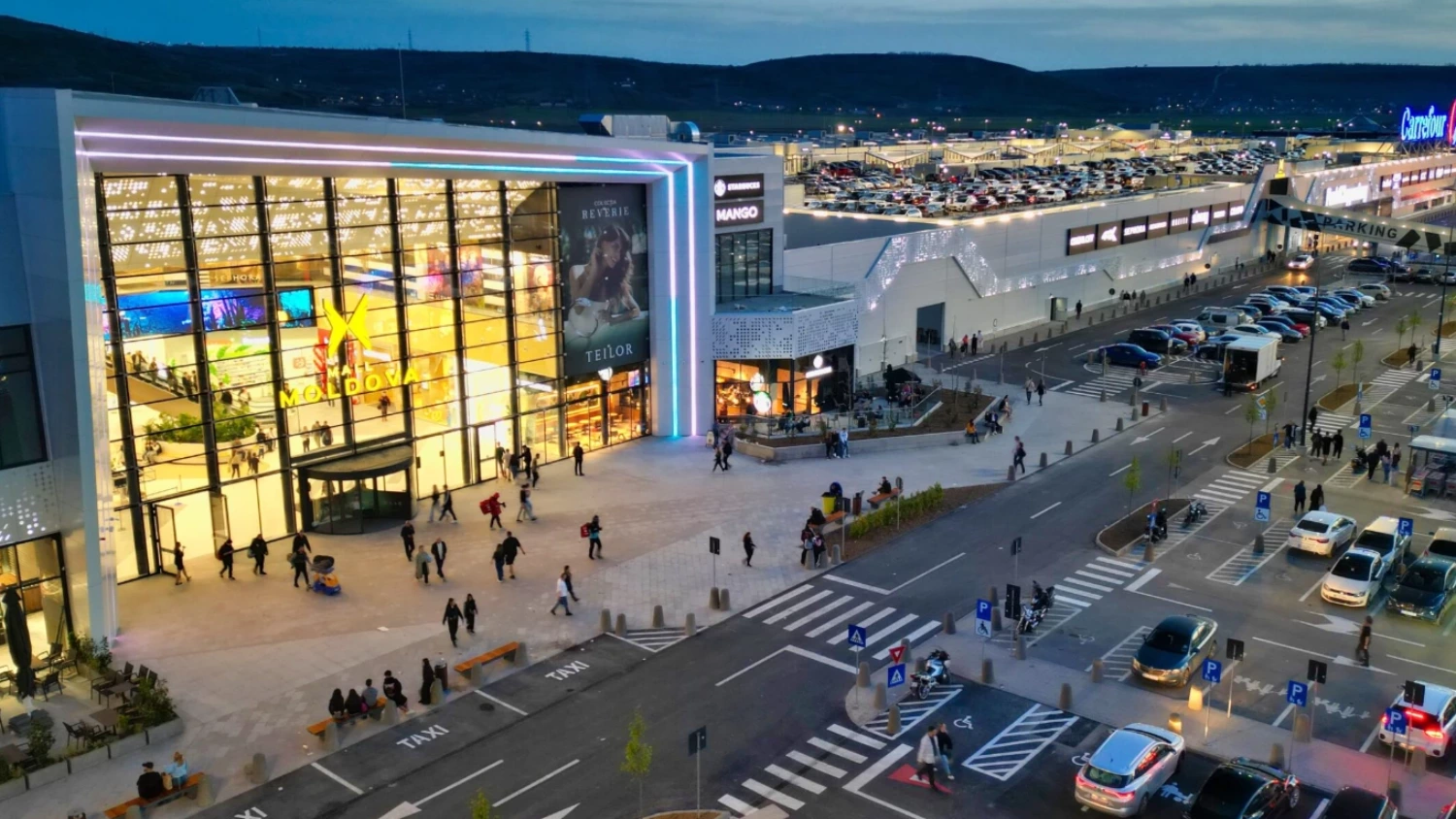



Nepi Rockcastle, Iulius Group - Atterbury Europe, Mas Re - Prime Kapital, M Core, and Scallier remain among the most active developers. Investment plans target Bucharest (22% of the total pipeline) and regional cities such as Cluj-Napoca (38%), Brașov (6%), and Iași (4%), as well as tertiary destinations including Bacău (9%), Reșița (5%), Sibiu (2%), Galați (4%), Giurgiu (2%), and Tulcea (3%).
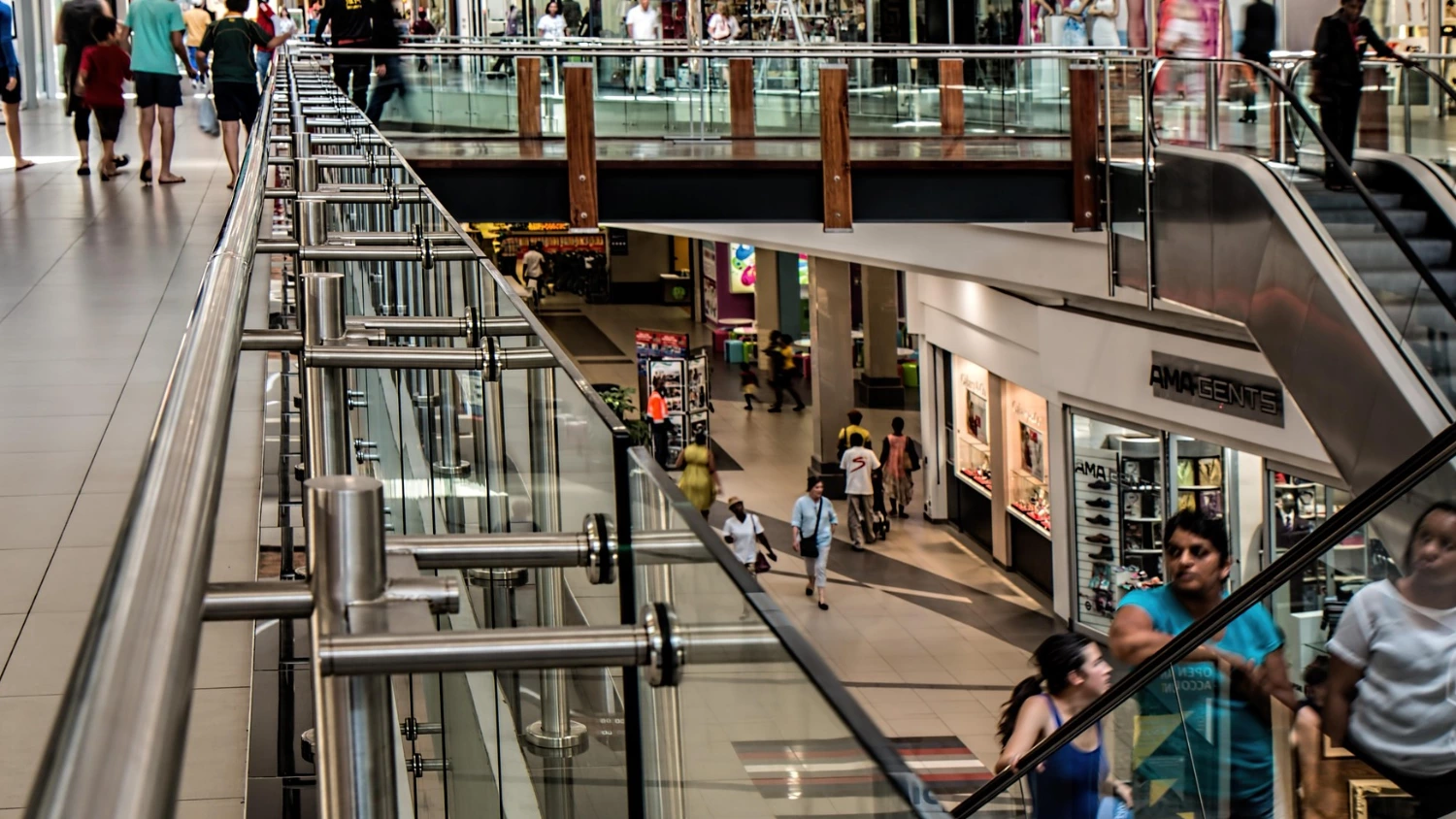
If all projects are completed, Romania's modern retail stock is expected to exceed 5.6 million sqm by the end of 2029, an increase of at least 16% compared with the current 4.8 million sqm. Approximately 1.33 million sqm are in Bucharest, with the rest spread across the country.
The total 2025 new supply reached 208,000 sqm, a volume 16% above 2024 and one of the highest ever in Romania. Ten projects were completed last year, including new schemes and extensions, in Bucharest, Iași, Suceava, Arad, Ploiești, Hunedoara, Curtea de Argeș, Orăștie, Sibiu, and Cisnădie. Notably, Bucharest saw the completion of Toff Galleries (Știrbei Palace), adding approximately 4,000 sqm of premium retail space on Calea Victoriei.
The development activity positioned Romania as the second-largest modern retail market in the region, after Poland (13.8 million sqm). However, when adjusting for population, Romania remains the lowest-density retail market in CEE, with 252 sqm per 1,000 inhabitants, compared with 435 in Slovakia, 365 in the Czech Republic, 359 in Poland, and 326 in Hungary. Dana Radoveneanu, Head of Retail, Cushman & Wakefield Echinox said: "Retailers' expansion appetite remains strong, and Romania continues to stand out as a high potential market despite a volatile economic environment. Demand for well positioned retail locations is supported by retailers' solid performance, as well as by encouraging inflation forecasts, which are expected to strengthen consumer purchasing power."