


This interview was first published in Property Forum's annual listing of "The 50 most influential people in Romania's real estate market”.
What is the sentiment of institutional investors in Bucharest's real estate market considering the recent deals assisted by NNDKP?
The current outlook for institutional investors in the Bucharest real estate market remains prudent but is ultimately constructive, with recent transactions handled by NNDKP reflecting this broader trend. Our recent mandates, which include the acquisition of the Equilibrium 2 office building and various logistics platforms, illustrate several key developments.
We are seeing a notable re-entry of international investors, particularly from Hungary, Central Europe, and the Middle East, which reconfirms the status of Bucharest as a vital gateway market. There is also a continued consolidation of long-term holders in the logistics and industrial sectors, often achieved through large-scale platform acquisitions such as the CTP and Globalworth portfolio transactions.
Investors are focusing heavily on core and core-plus assets, specifically prime office spaces and retail parks that offer stability. Furthermore, the increase of domestic institutional capital, which now accounts for a significant share of transaction valumes, serves to bolster overall confidence in the local market.
What sectors will remain in your practice's primary drivers this year?
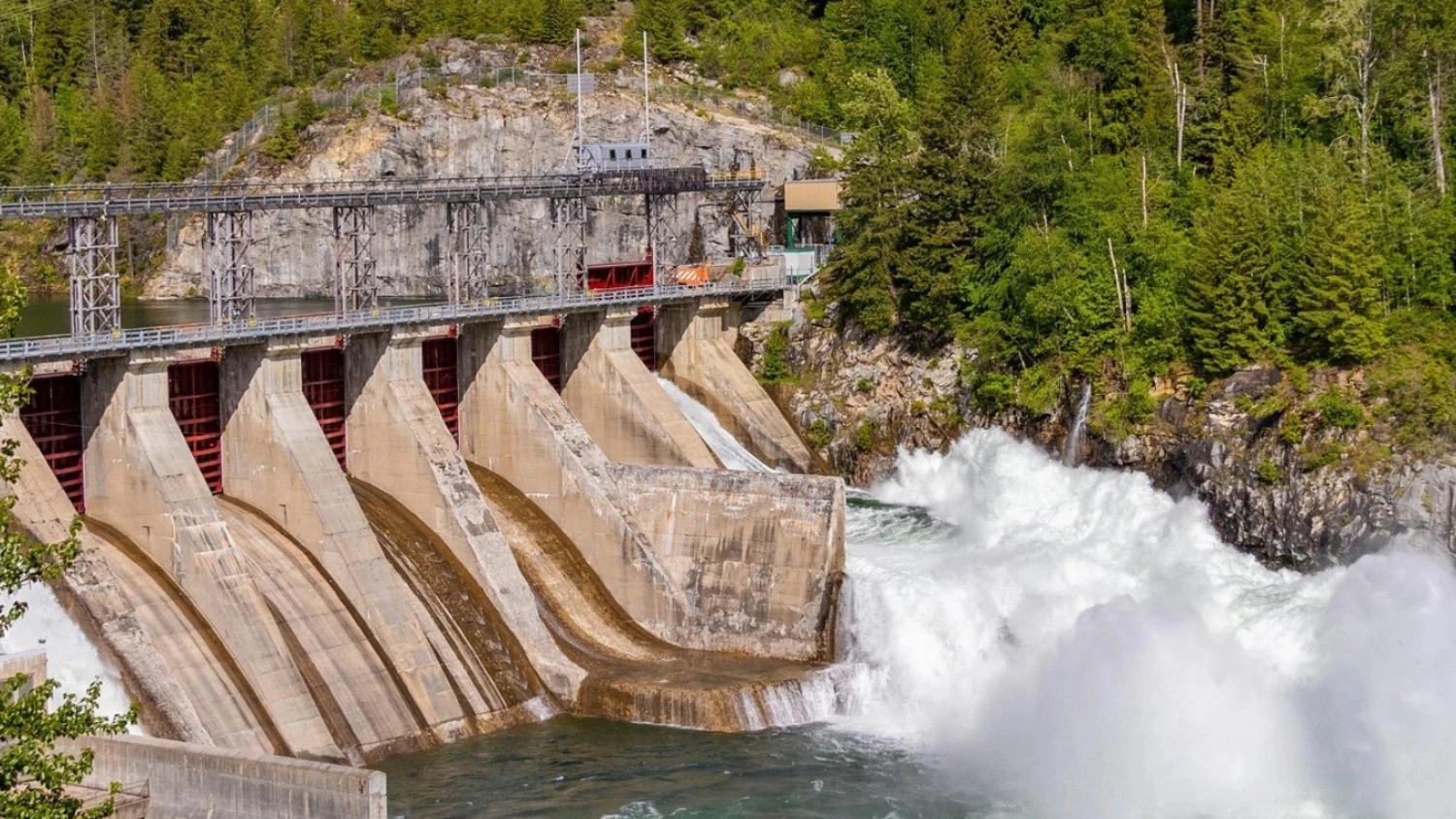
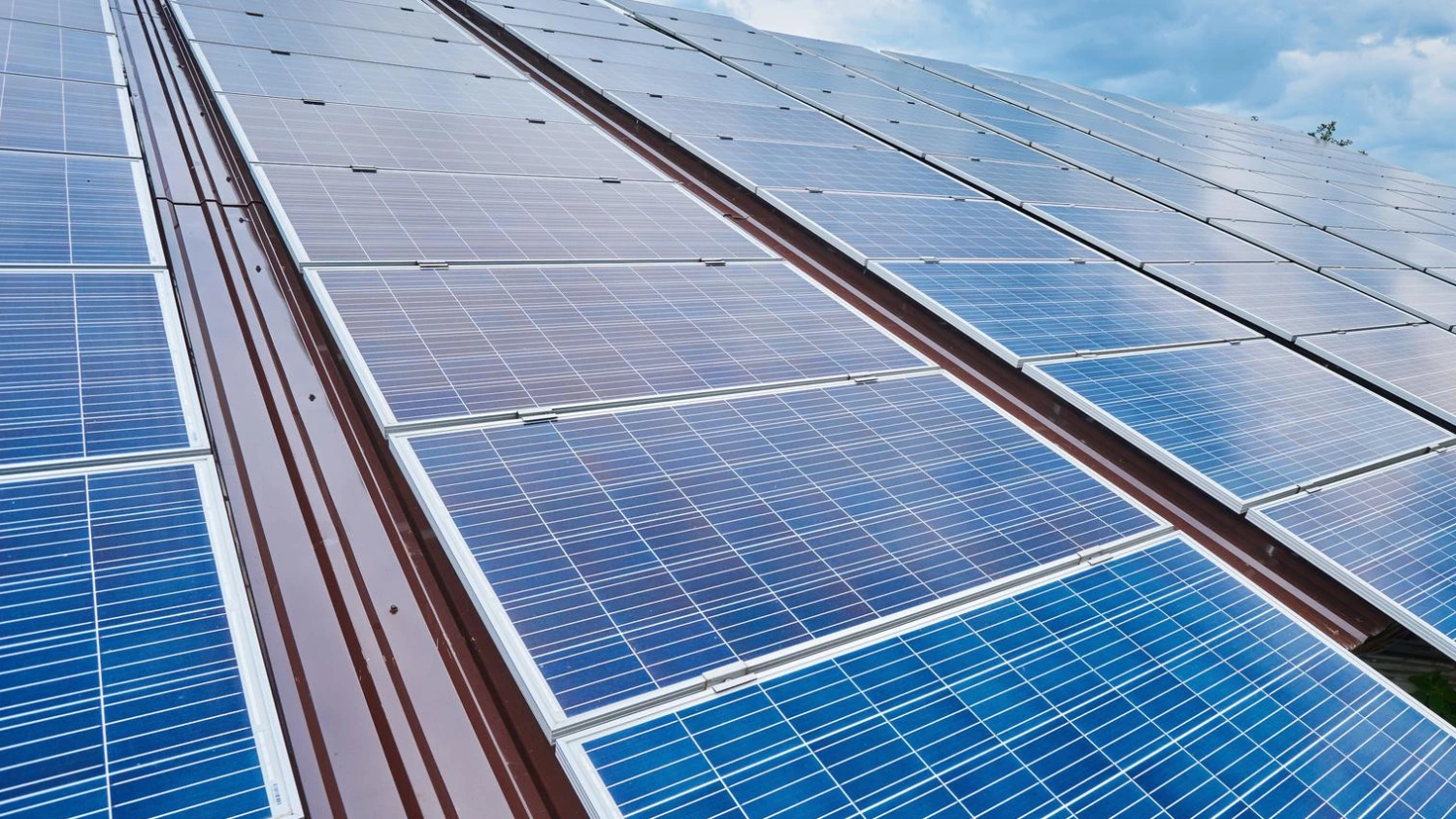
In alignment with broader European trends, the retail sector has regained significant investor favour as the pandemic-era concerns regarding the future of bricks-and-mortar establishments have largely dissipated. Additionally, the industrial and logistics sector continues to thrive, characterised by steady demand and the entry of new players into the market. Finally, the energy transition has emerged as a major catalyst for real estate development, with a specific focus on renewable energy projects that incorporate a battery energy storage system (BESS) component.
What legal complexities are you seeing in the renewable energy field?
Over the past year, the Romanian legal landscape has evolved to provide a more predictable framework for investors, yet the renewable energy sector still presents several challenges. Ongoing issues include inconsistencies across different layers of legislation and practical difficulties associated with securing the full set of permits required from multiple public authorities.
From a real estate perspective, Romania remains a title sensitive jurisdiction where valid ownership depends on the integrity of the entire chain of historical titles. Deficiencies in historical titles or cadastral records can reverberate over the current ownership status of the land, which is particularly complex for renewable projects involving large areas of fragmented land held by multiple owners.
How are NNDKP's clients responding to the Omnibus Package and its potential to reduce the ESG reporting requirements for smaller firms?
While clients currently outside the scope of ESG reporting welcome the reduction in regulatory burden, they continue to adopt a cautious and forward-looking approach. Rather than disengaging from the sustainability agenda, these clients are shifting from a compliance-driven mindset to a more strategic perspective by refining their internal ESG policies. Conversely, clients who remain within the scope of these regulations are actively advancing their preparation by mapping value chains and aligning contractual clauses to meet forthcoming reporting obligations.
With the residential permitting blockage in Bucharest persisting, what alternative legal structures are investors using to move projects forward?
With the election of the new mayor at the end of 2025, there are grounded expectations that administrative reforms will remove unjustified obstructions and make permitting timelines more predictable in the medium term. Investors encouraged by the robust demand in the residential sector have explored various alternatives to capitalise on opportunities. Specifically, we are seeing the use of risk-sharing structures and phased acquisitions that are strictly conditioned by urban planning obligations. Furthermore, long-stop dates and walk-away rights have become more heavily negotiated than in previous years to protect the interests of both investors and developers during these uncertain timelines.
How has the Schengen accession impacted the structure of logistics and industrial deals you are currently negotiating for 2026?
Schengen accession has not fundamentally altered the technical structure of deals, but it has materially enhanced the attractiveness of Romania for logistics and industrial investments. The impact is most visible in Western Romania, where streamlined and more predictable supply chains are directly enabling logistics expansions. Accession has compressed transport times and, more importantly, increased the predictability of the supply chain, which is often considered more valuable than mere time reduction.
These developments are expected to support more aggressive rental growth assumptions in the coming months. Consequently, tenants are increasingly looking to establish regional distribution centres, as Romania's position as the second-largest market in CEE makes it a logical destination for pan-regional operations.
How would you describe the shift in investor risk appetite entering 2026?
Entering 2026, investor risk appetite is more selective and disciplined, particularly given the prevalence of ongoing macroeconomic risks. We are observing stricter underwriting standards and heightened scrutiny of identified concerns during the due diligence process. The market has shifted toward a meticulous evaluation of micro-risks as companies navigate global turmoil. In practice, this translates into a clear preference for core and core-plus assets or strategic projects with strong financial fundamentals.
Which real estate segments are going to stand out in the country this year, on investments and new entrants?
Retail has become more popular across Europe, including Romania, although consumer confidence is currently being eroded by global uncertainty, inflation, and fiscal pressures. Consequently, following years of growth, retail sales have started to contract as households become more cautious.
Regarding the office sector, investors maintain a cautious stance due to concerns linked to AI and potential workforce reductions. However, because new supply in Romania was minimal in recent years, the vacancy rate has decreased and rents have started to rise, triggering some new developments for high-quality premises. Overall, the logistics sector continues to lead the market, catalysed by the expansion of the national motorway network.