A survey by Genesis Property finds that job security in Romania is increasingly tied to adaptability rather than employment stability alone. More than 60% of employees say their current role provides stability without sufficient development opportunities, or leaves them feeling stuck, while only 14% feel fully secure and confident about their career prospects. Half describe themselves as relatively secure but watching their company and market closely. The survey was conducted online in July among 1,026 internet users across Romania.
Connections Consult announces the conclusion of two significant subsequent contracts with a public institution in Romania. Each of them has as its object migration services of cybersecurity applications and hardware and software accessories.
AI is creating two distinct directions in the global labour market, according to PwC research, based on an analysis of over one billion job listings across six continents.
Electrica has completed the Artificial Intelligence for Active Energy Management (AIAE) project, developed in partnership with Romanian startup Renergia and the Technical University of Cluj-Napoca.
Although 86% of organisations plan to increase their artificial intelligence (AI) investments, only 18% can fully leverage this technology, according to an Accenture report.
Romania's labour market is undergoing a structural transformation as the country shifts from consumption-driven growth to a more technology-focused economy, with artificial intelligence and automation reshaping employment patterns.
Forvis Mazars Group has released its annual C-suite barometer showing that 92% of global executives expect growth in 2026, despite ongoing economic uncertainty.
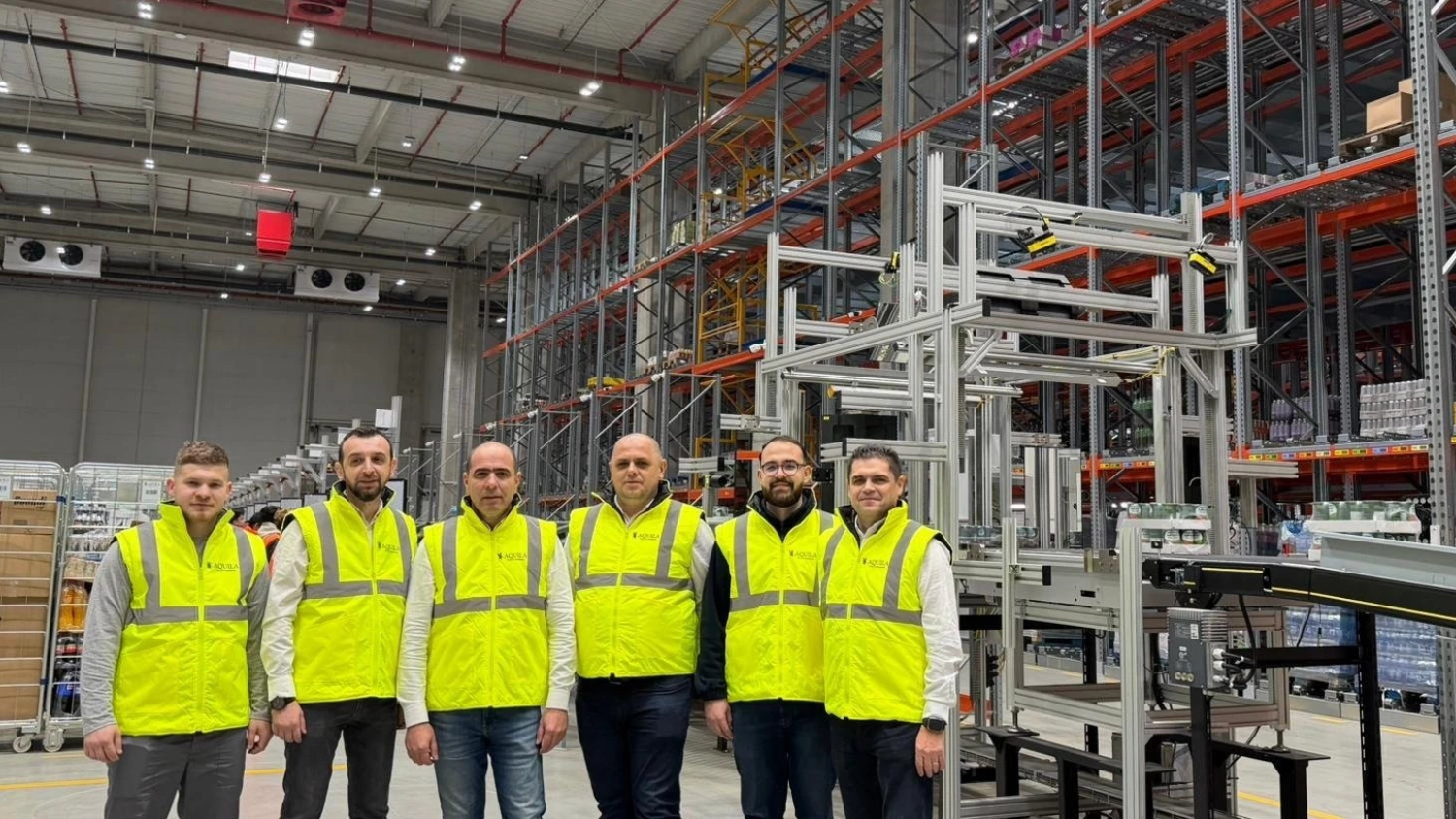
Romanian FMCG distributor Aquila has completed a €5 million investment in an AI-based automation solution at its warehouse in Drăgomirești, Ilfov County.
CEOs are more confident in their own companies' prospects than they are in the outlook for the global economy, according to the latest EY-Parthenon CEO Outlook Survey, a quarterly survey of 1,200 global CEOs across 21 countries.
Romanian employees are among the least likely to use artificial intelligence at work, with only 44% reporting AI usage in the past year compared to a global average of 57%, according to a PwC survey.
The EY Entrepreneurship Barometer reveals that 60% of Romanian entrepreneurs plan to invest in innovation, even as 63% consider the business environment unfavourable.
AI boom could further threaten 2050 decarbonization commitments unless used responsibly and scaled to its full potential as a lever of achieving net zero.
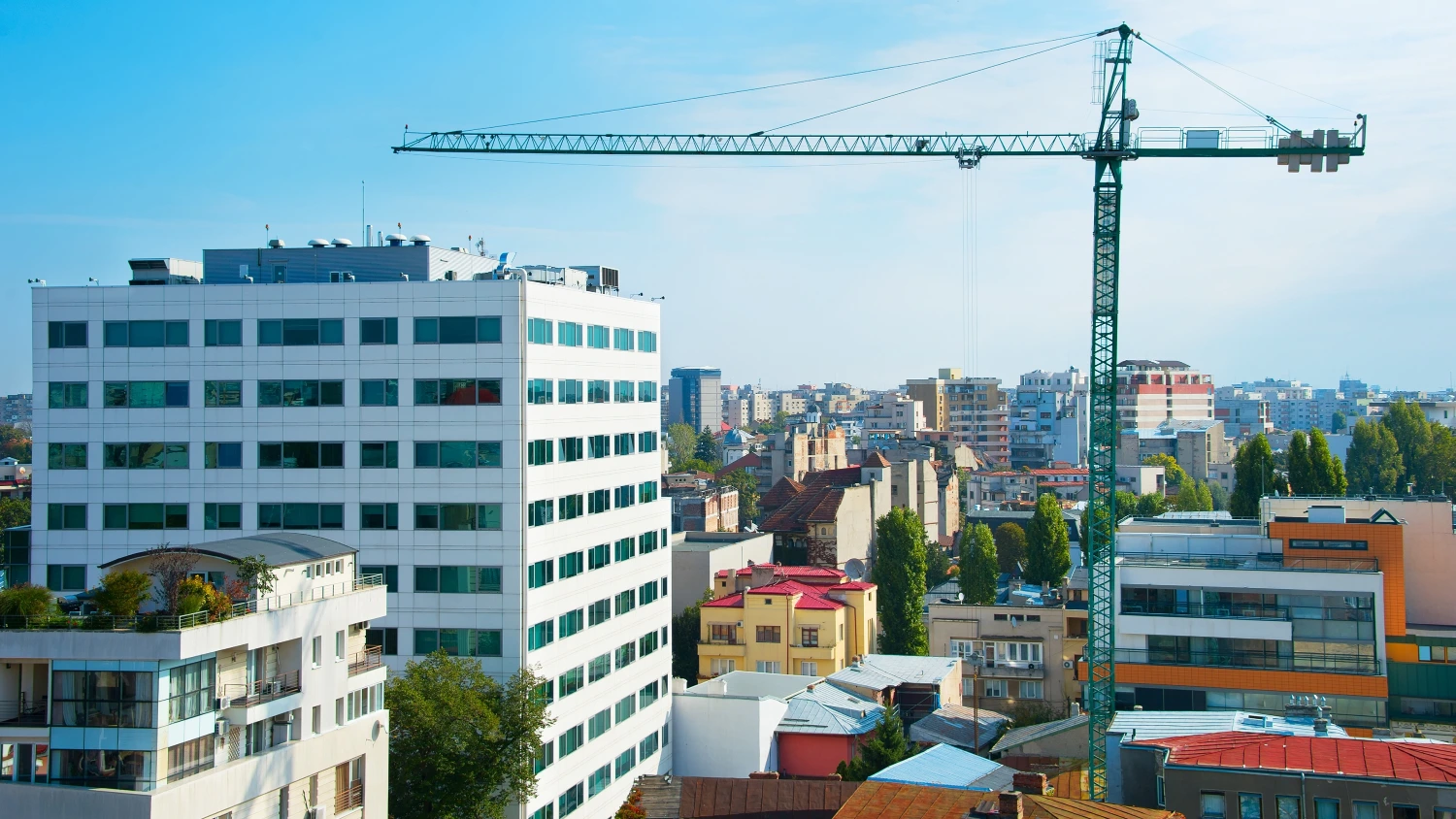
Bucharest is consolidating its position within the Central and Eastern European (CEE) real estate market, combining rental growth across major asset classes with investment yields that remain well above Western European levels, according to the DNA of Real Estate Europe Q2 2026 report published by Cushman & Wakefield. Across Europe in Q2 2026, prime office rents rose 4.5% year-on-year, retail rents increased 3.0%, and logistics rents grew 2.4%, while investors remained selective as yield movements pointed to a more balanced market following the repricing cycle of recent years.
Energy company Electrica informs investors and the capital market that it has obtained the technical grid connection permits (ATR) for 17 new battery energy storage projects (BESS), with a total capacity of approximately 700 MWh.
The European Retail Banking Radar, Kearney's latest study now in its 18th edition, shows that Europe is entering a period of normalisation following the conditions of 2023–2025. For Romania, the challenge extends beyond the normalisation of interest rates.
Romania's national electricity transmission network operator, Transelectrica, has halted scheduled maintenance shutdowns to ensure the grid operates at maximum capacity during an ongoing extreme heatwave. The preventive measures aim to mitigate operational risks associated with severe weather conditions.
Digi Spain has announced its intention to launch an initial public offering (IPO) on the Spanish stock exchanges, aiming to raise approximately €150 million.