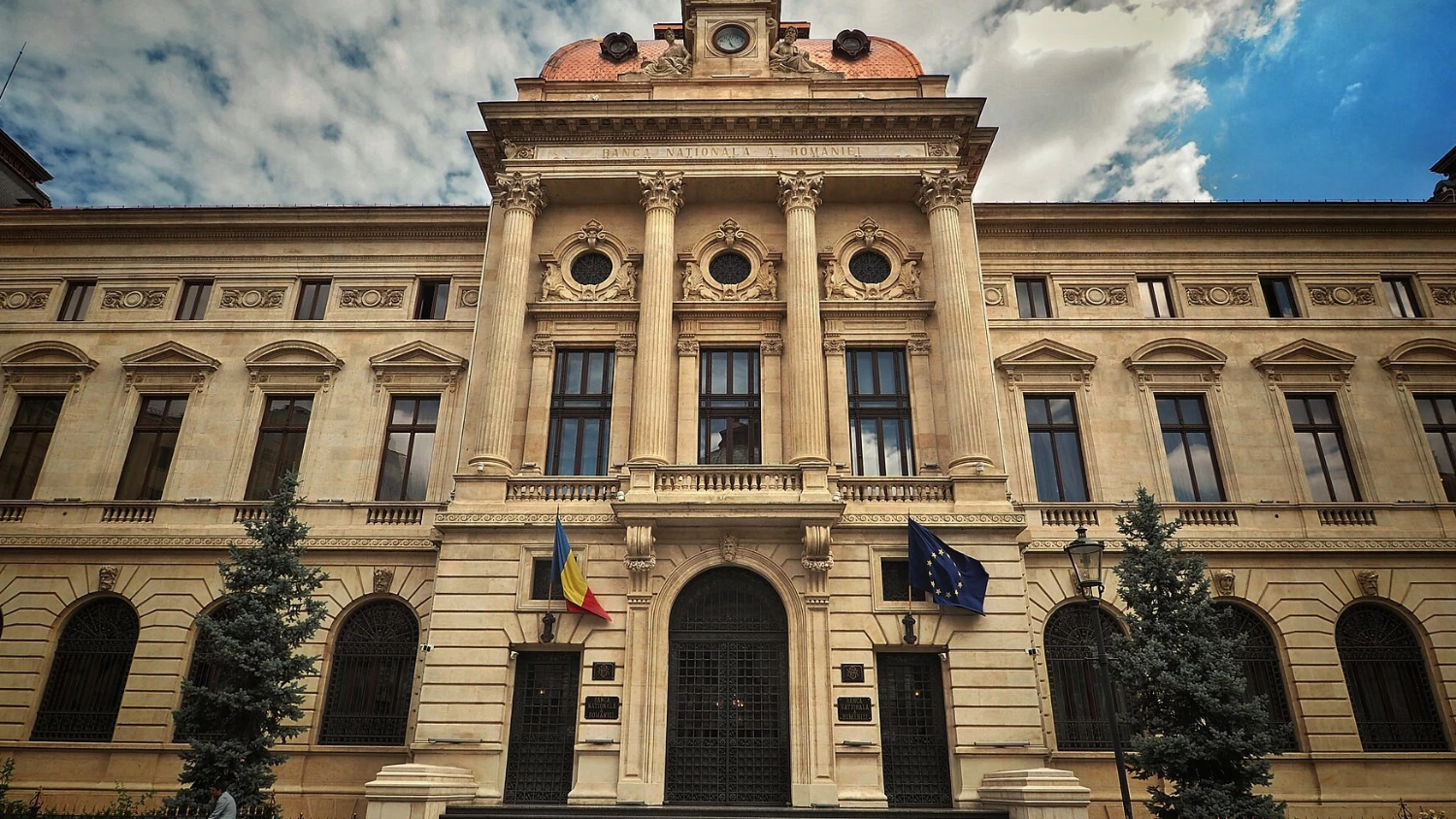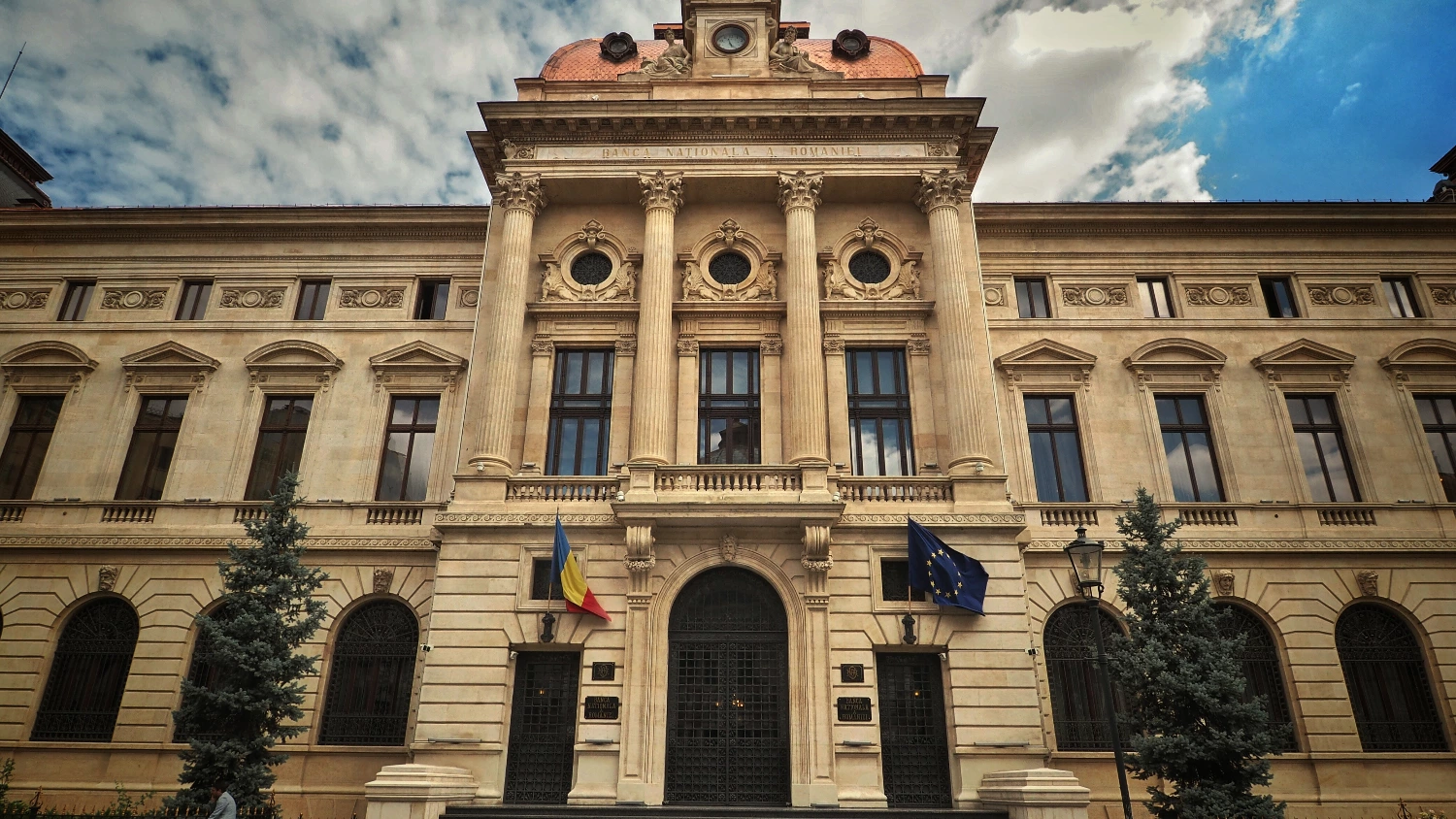



According to the National Bank of Romania (BNR), annual inflation will increase in Q2 2026 above previously anticipated levels, mainly due to expected effects from fuel price increases following the significant rise in oil and natural gas prices amid the Middle East conflict. These will overlap with unfavourable base effects on the energy segment and expected influences from natural gas market liberalisation for non-household consumers and the subsequent elimination of the commercial markup ceiling on basic foods.
However, annual inflation will experience a substantial downward correction in Q3 2026 once the direct effects of removing the electricity price ceiling and increasing VAT rates and excise duties are exhausted. It will then gradually decrease, returning within the target range in Q3 2027 as disinflationary pressures from fundamental factors intensify, particularly from the aggregate demand deficit.
This deficit deepened beyond expectations in Q4 2025 and is expected to deepen further in H1 2026 due to budget correction progress and the global energy crisis, remaining at significantly lower values than previously forecast throughout the projection horizon.
Romania's annual inflation rate reached 10.7% in April 2026 compared to April 2025, according to data released by the National Institute of Statistics (INS).