


This interview was first published in Property Forum's annual listing of "The 50 most influential people in Romania's real estate market”.
What are the key construction milestones for Lion's Head Romania in 2026, and what were your highlights from 2025?
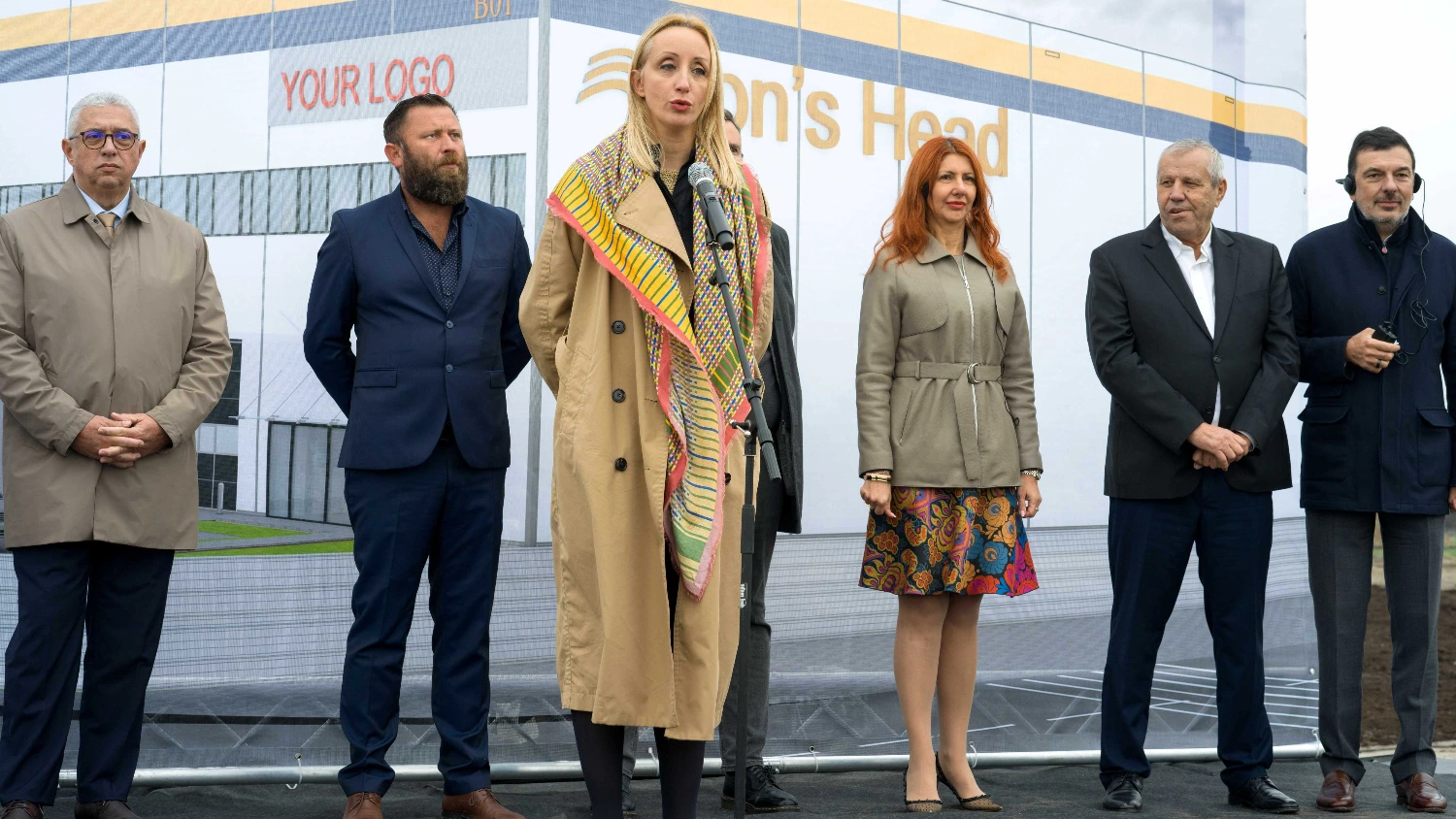
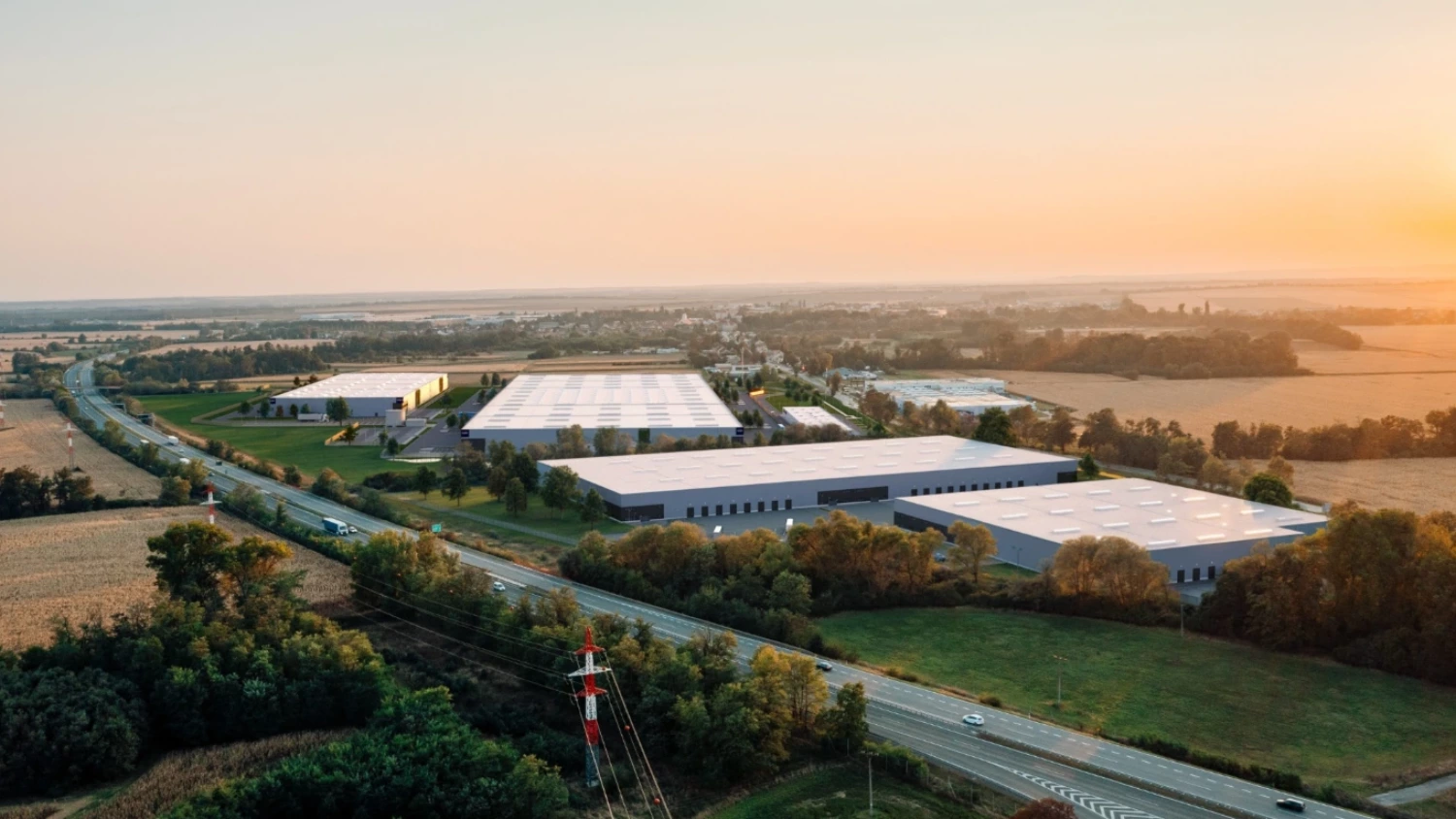
In 2025, we started construction on our logistics project in Popești-Leordeni, after a long preparation phase. That part of the process is usually the most complex, especially on a brownfield site, and getting it right matters more than the speed of execution. At the same time, Oregon Park continued to perform consistently, with a full occupancy rate in a market where tenants are becoming more selective.
In 2026, the focus is on delivering the first phase of the logistics park and bringing the project into operation. For us, this is less about ticking a milestone and more about proving that we can build and operate this type of asset at the right standard in Romania.
How is the diversification into logistics in both Romania and Bulgaria strengthening the overall resilience of the Lion's Head portfolio?
Office and logistics behave differently, and that matters in a market like ours. The office is more sensitive to how companies work; logistics is more tied to how goods move. Having both gives you balance across cycles. Romania is particularly interesting because of its scale and its positioning within regional trade routes. In recent years, we've seen a clear acceleration in infrastructure development, especially around highways and connectivity corridors, which is starting to change how logistics networks are structured. What we see now is a gradual shift from local distribution to more regional planning.
Which specific industrial sectors are showing the most appetite for your logistics project in Romania, and how has this influenced your site configurations?
We are seeing consistent interest from sectors such as retail, e-commerce, logistics operators, and light industrial activities. These clients are looking for flexibility and speed of adaptation rather than highly specialised, fixed configurations. This has influenced our approach to design. We focused on creating a flexible platform, with units that can accommodate different operational models, efficient circulation, and the ability to integrate specific requirements where needed. The goal is to support a wide range of uses without over-customising the base product too early.
How is this funding partnership with the International Finance Corporation (IFC) shaping your sustainable development standards?
The IFC partnership changes the way you approach a project from the beginning. It forces you to look at things in detail, from what is happening in the ground, to how water is managed, to how the site interacts with the surrounding area. One concrete example is the Environmental and Social Management Plan we developed for the construction phase; a type of document not commonly used in Romania at this level. It brings together environmental, health, safety, and community-related aspects into a single framework and requires continuous monitoring, not just compliance on paper.
It's a more technical and structured way of working, with clear requirements and accountability. In practice, it means fewer assumptions and more verification. It also means that sustainability is not something you add at the end, but something that shapes the project from the first decisions.
The IFC partnership highlights brownfield remediation as a key discipline. How has this shaped your site selection criteria for the next stage of your industrial expansion?
Brownfield development is more complex, but it also brings long-term advantages. It forces a deeper understanding of site conditions and a more structured approach to risk management from the very beginning. Through this process, we've strengthened our internal capabilities and our criteria for future investments. We are now better equipped to assess sites not just in terms of location, but also in terms of environmental complexity and long-term sustainability potential. We are continuously evaluating opportunities, particularly in areas with strong infrastructure connectivity and access to the workforce. Expansion will follow where it makes sense, where infrastructure is real, not just planned, and where there is actual demand behind it. We prefer to grow step by step rather than build ahead of the market.
What specific synergies have you realised between your office management and your new logistics operations over the past 12 months?
The most valuable transfer is mindset. In office, we learned that long-term performance comes from understanding tenants and managing assets proactively, not reactively. We apply the same principles in logistics: flexibility in design, close dialogue with clients, and a strong focus on operational efficiency. While the product is different, expectations are similar: tenants are looking for reliability, adaptability, and partners who understand their business in detail.
What is your strategy for retaining blue-chip tenants and adapting the project to meet hybrid work needs at Oregon Park in 2026?
Retention today is less about incentives and more about relevance. Tenants are looking for flexibility, efficiency, and a workplace that supports employee experience in a hybrid environment. What matters is staying relevant for your tenants over time. That means understanding how they use the space, how their teams work, and what needs to change. Sometimes it's layout, sometimes it's cost efficiency, sometimes it's simply responsiveness.
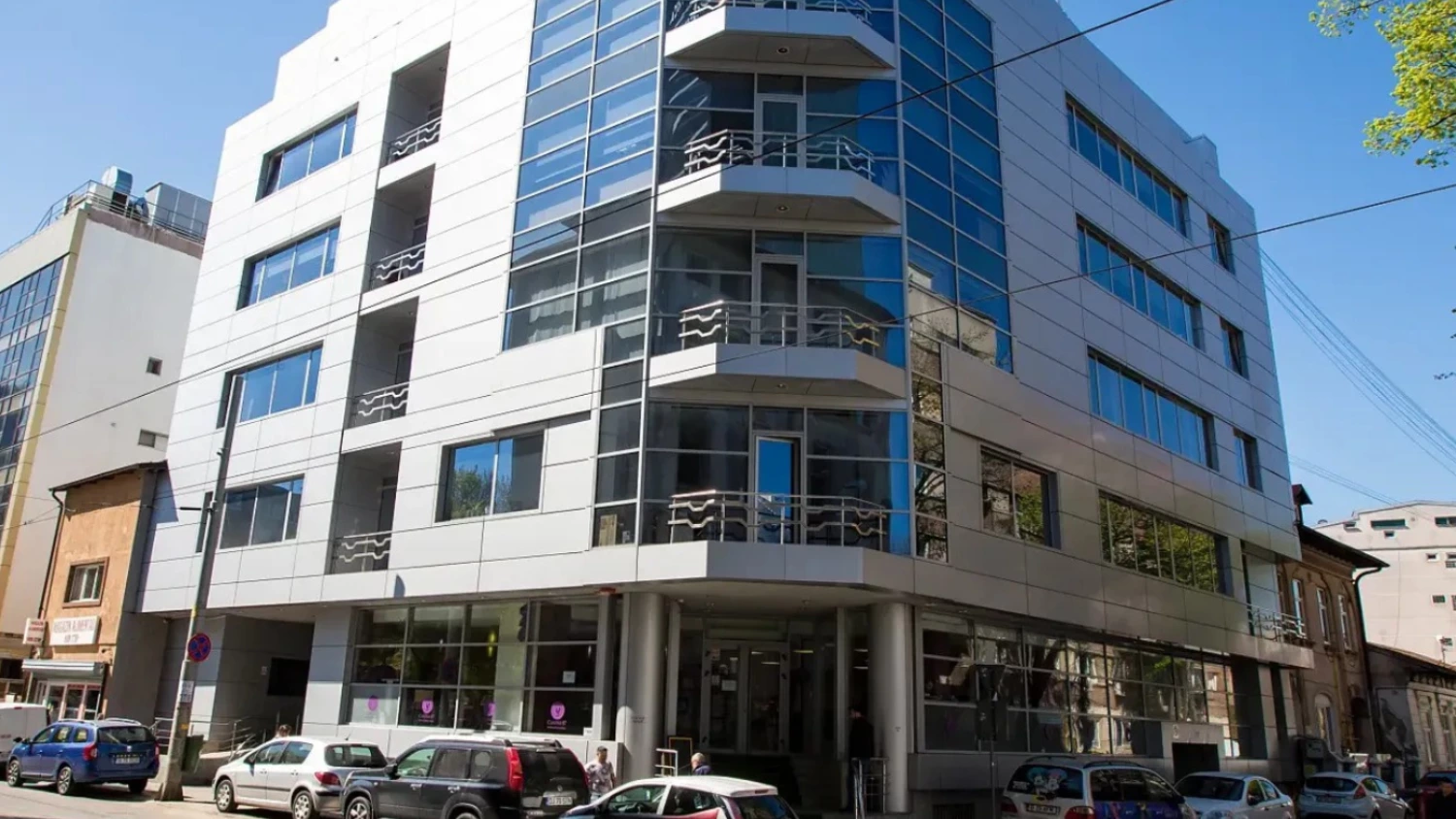
Oregon Park works because it was built with space, light, and flexibility in mind from the beginning. What we do now is adjust where needed: more flexible layouts, better use of shared areas, incremental improvements in comfort and efficiency. Hybrid work is already part of how tenants operate. Our role is to make sure the space continues to support that without forcing artificial changes.
How is Lion's Head addressing rising operational costs while introducing new technologies and amenities at the Oregon Park campus?
There is a cost component, but it needs to be seen in context. If a building is designed well from the start, with efficient systems and durable materials, the operating costs are more predictable and easier to control. We don't see ESG as an extra layer. It's part of how you avoid problems later, both from a cost perspective and from a compliance point of view.
This year, we are enhancing shared spaces, improving energy efficiency systems, and continuing to invest in green areas and outdoor environments. At the same time, we are integrating technologies that support comfort and efficiency, from better climate control to smarter building management systems.