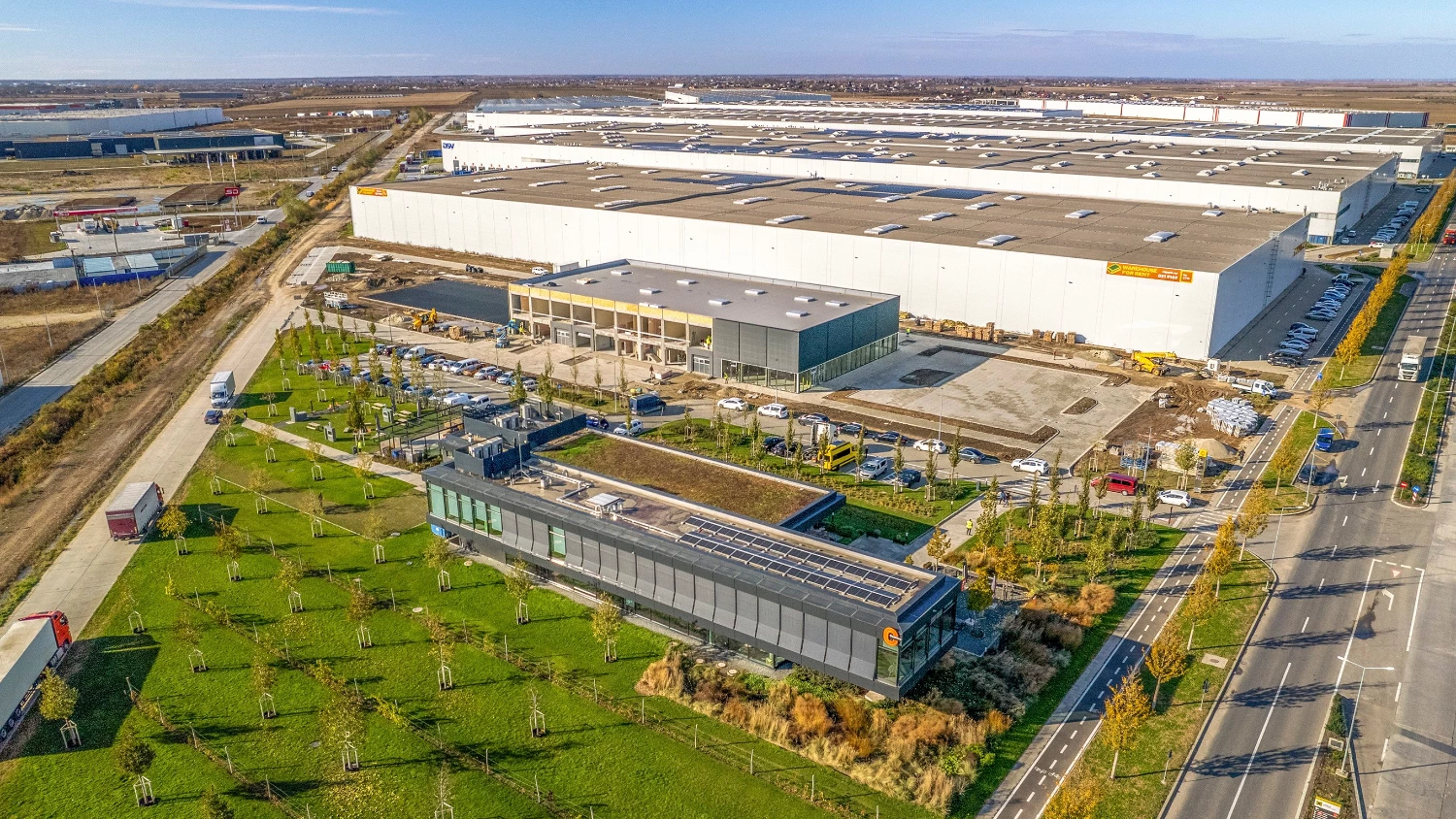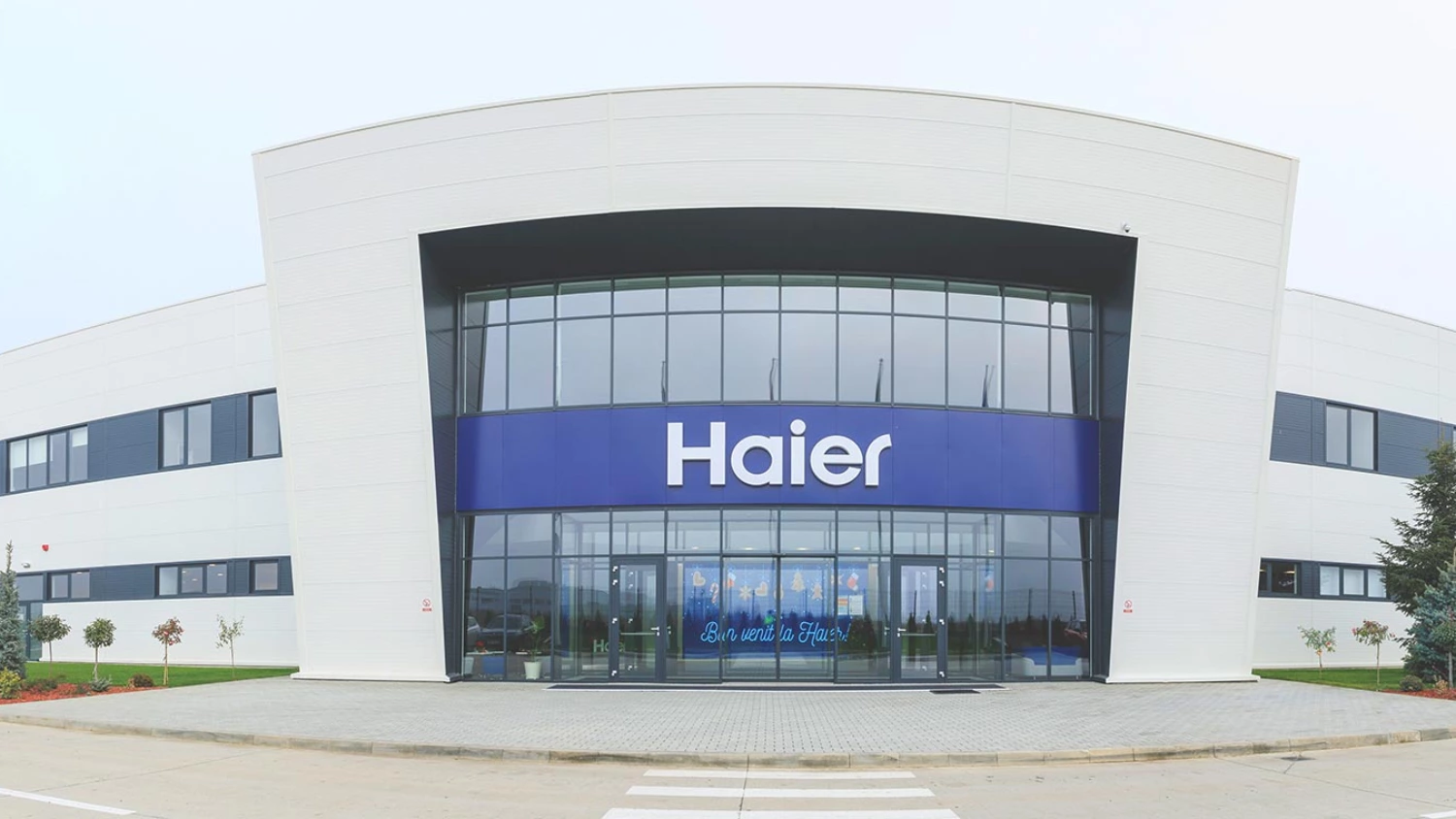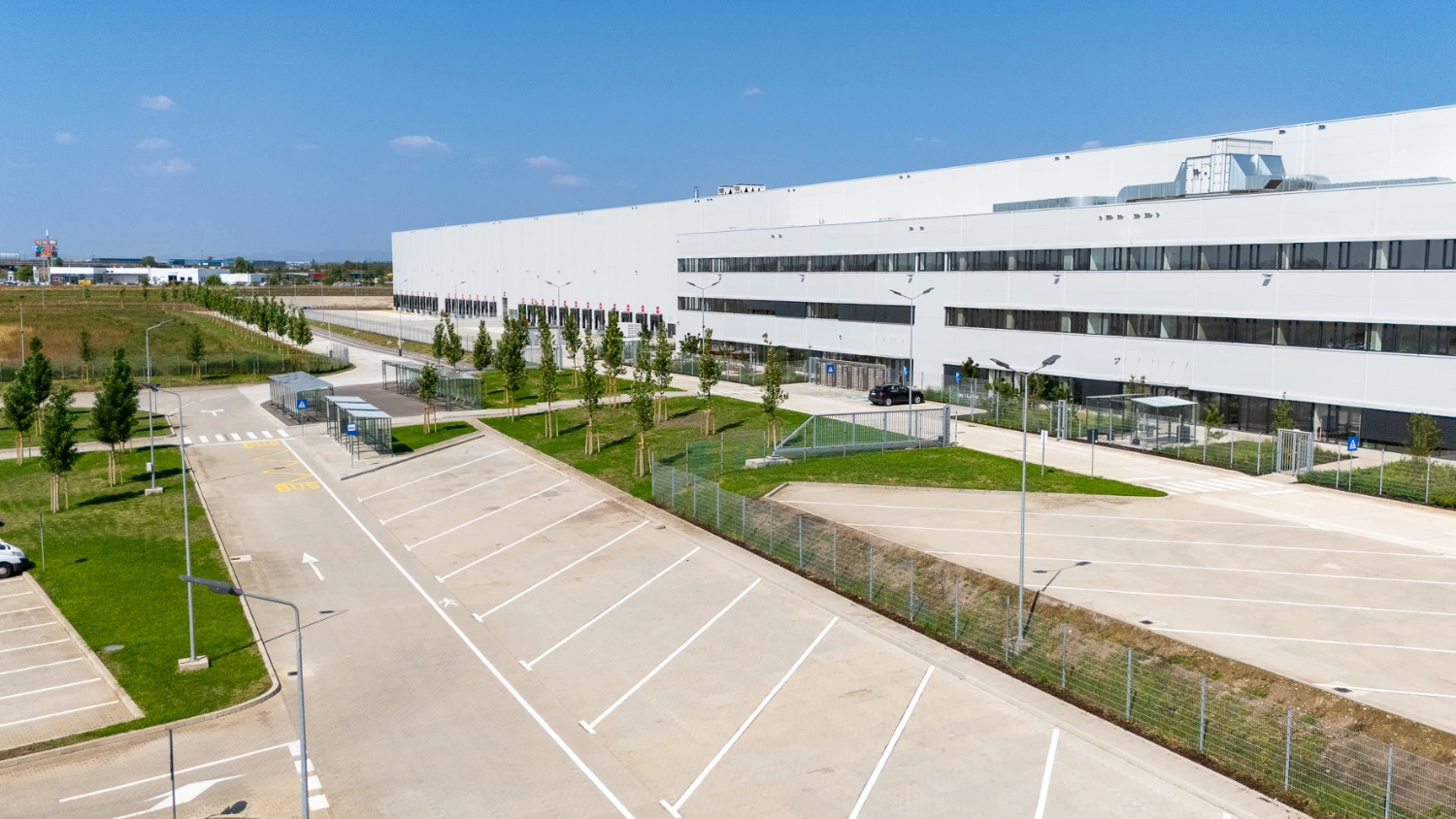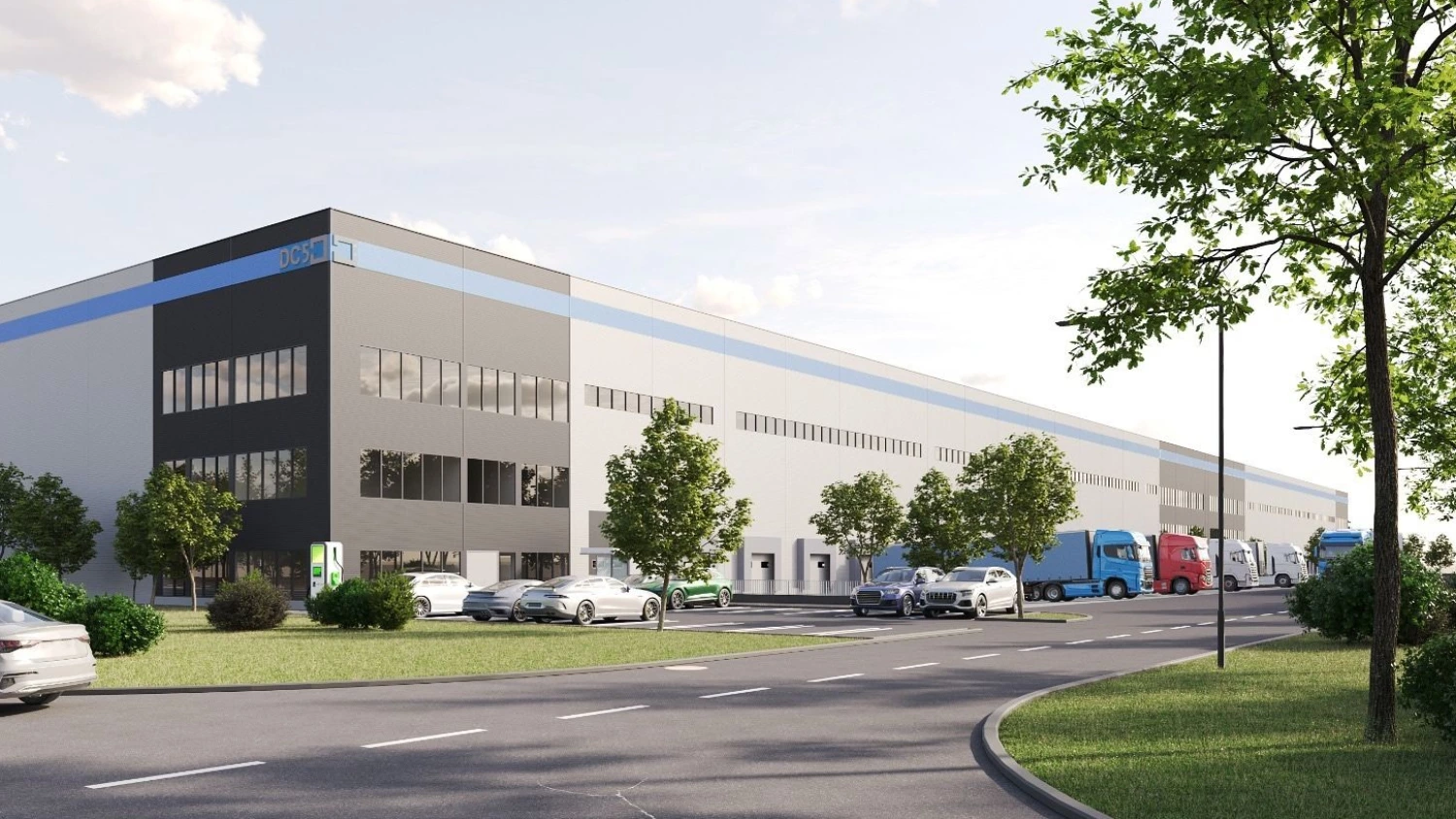



While still representing only a small share of Romania's logistics market, the city is increasingly attracting attention from developers and investors who see an opportunity to enter the market before it reaches a new stage of maturity. It is no coincidence that logistics and industrial development will be among the central themes of the inaugural EastGate forum, where investors and regional stakeholders will examine how North East Romania's changing role is reshaping the investment landscape.
The numbers alone explain why the market deserves closer attention. Romania has grown into the third-largest industrial and logistics market in Central and Eastern Europe, with more than 8 million sqm of modern stock, yet the North-East region still accounts for just 2.8% of that total. Iași itself currently offers an estimated 35,000-50,000 sqm of modern Class A logistics space, making it a relatively small market by national standards. What is striking, however, is not the current stock but the pace at which it is expected to expand. Projects by developers including Element Industrial, Oresa Industra and WDP are set to roughly double the amount of modern logistics space available, suggesting that institutional investors already see considerably greater long-term potential than the current market size might imply.
That perspective becomes even more interesting when viewed through a wider European lens. A report by Romania-based investment facilitator Investis argues that Iași combines one of the lowest occupational cost bases in Central and Eastern Europe with some of the highest logistics yields available in comparable markets. Prime rents remain around €4.5-5.0 per sqm per month, below levels recorded in Hungary, Poland and Czechia, while estimated acquisition yields of around 8% remain significantly above those seen across most established European logistics markets. Such pricing naturally reflects the market's earlier stage of development, but it also illustrates why investors prepared to take a longer-term view have begun paying closer attention to the region.
Infrastructure is central to that investment thesis. For many years, the limited motorway network constrained the region's competitiveness despite its strategic location. That picture is beginning to change as work progresses on the A7 "Moldova Motorway", which is expected to become the backbone of the region's road network, while construction of the A8 corridor aims to create a direct east-west connection linking Iași with the rest of Romania and Western Europe. These projects are complemented by improvements at Iași International Airport, renewed rail freight connections and growing cross-border integration with the Republic of Moldova. Together, they are gradually reducing one of the biggest barriers that historically discouraged larger-scale logistics investment.
The infrastructure story also explains why the launch of EastGate comes at a particularly relevant moment. Discussions about North East Romania are increasingly moving beyond whether the region is accessible enough for investors and towards how improving connectivity will influence manufacturing, logistics, commercial real estate and cross-border trade over the coming decade. These are questions that cannot be answered by developers or public authorities alone, which is precisely why the inaugural event brings together investors, occupiers, infrastructure specialists and policymakers around the same table.
Another element strengthening the region's investment case is its workforce. Iași is home to Romania's largest university centre outside the capital, with around 60,000 students and a metropolitan population exceeding half a million people. The city's universities continue to supply graduates for technology companies, business services, engineering and logistics management, while labour costs remain among the lowest in the European Union. According to the report, Romania also faces considerably lower labour shortages in warehousing and transport than many neighbouring countries, an increasingly valuable advantage as occupiers across Central Europe struggle to recruit staff. When combined with comparatively low construction costs, competitive land prices and generous regional aid, the overall operating environment becomes difficult for investors to ignore.
Perhaps the most important takeaway from the report is that logistics demand is no longer driven solely by domestic consumption. Iași's proximity to the Republic of Moldova, its potential role in supporting Ukraine's reconstruction and the continued diversification of European supply chains all contribute to a much broader investment narrative. Rather than serving only the local market, the city is increasingly being viewed as part of an emerging logistics corridor connecting the European Union with its eastern neighbours. That role is likely to evolve further as cross-border infrastructure improves and regional trade continues to expand.
Markets rarely transform overnight, and Iași is no exception. The report itself notes that today's pricing still reflects genuine infrastructure and liquidity risks, but it also argues that much of the perceived undervaluation could disappear as motorway projects are completed, logistics rents gradually converge with the rest of the region and investor confidence strengthens. Against this backdrop, the inaugural edition of EastGate offers a timely opportunity to look beyond today's market statistics and discuss the forces likely to shape tomorrow's investment decisions. For investors searching for the next logistics growth story in Central and Eastern Europe, the question may no longer be whether Iași deserves attention, but whether the market will remain overlooked for much longer.