

This interview was first published in Property Forum's annual listing of "The 50 most influential people in Romania's real estate market”.
Reflecting on the results of 2025, what was the total volume of new leases and renewals secured across the London and Oslo buildings, and how did this meet your growth forecasts?
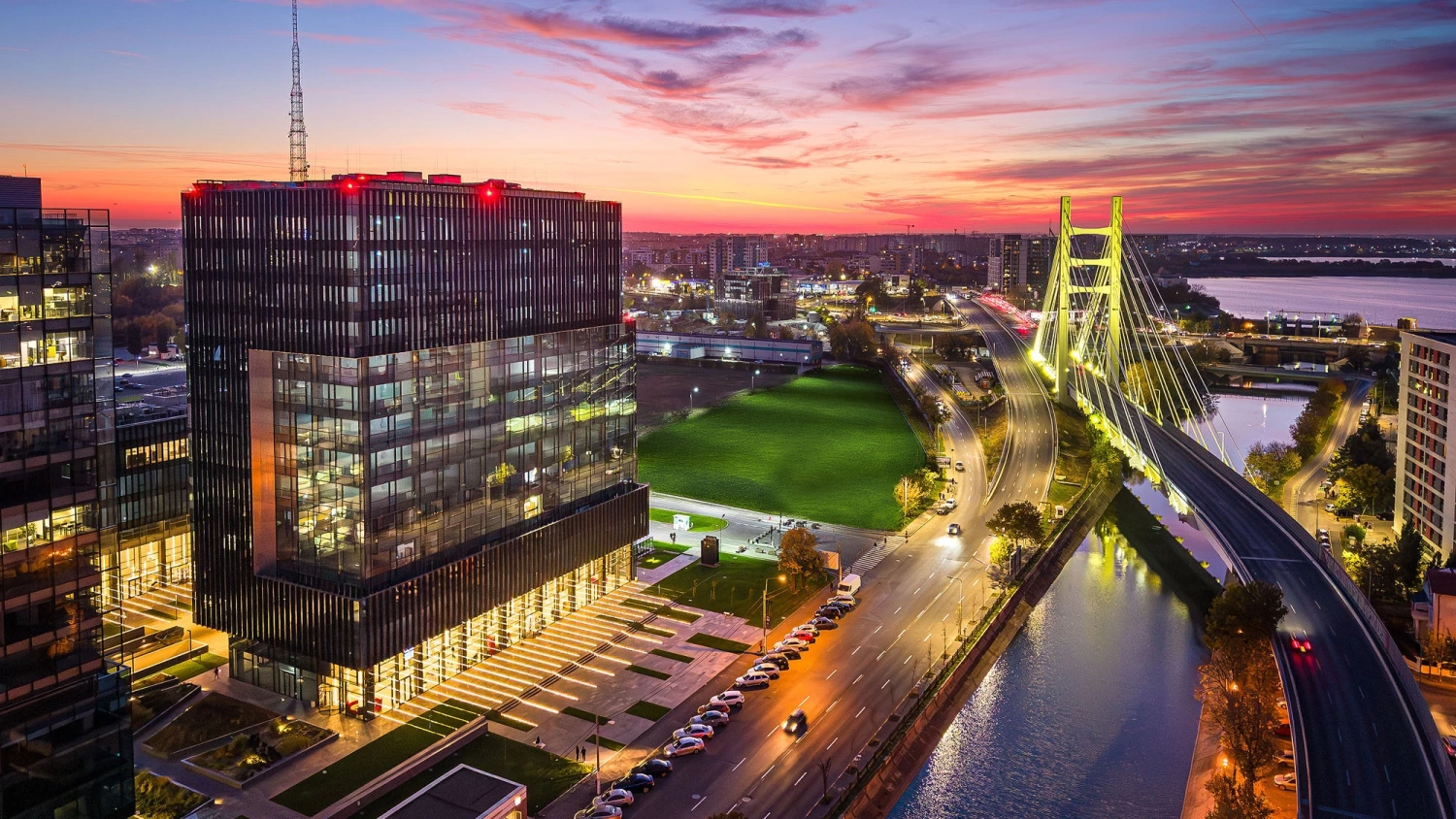
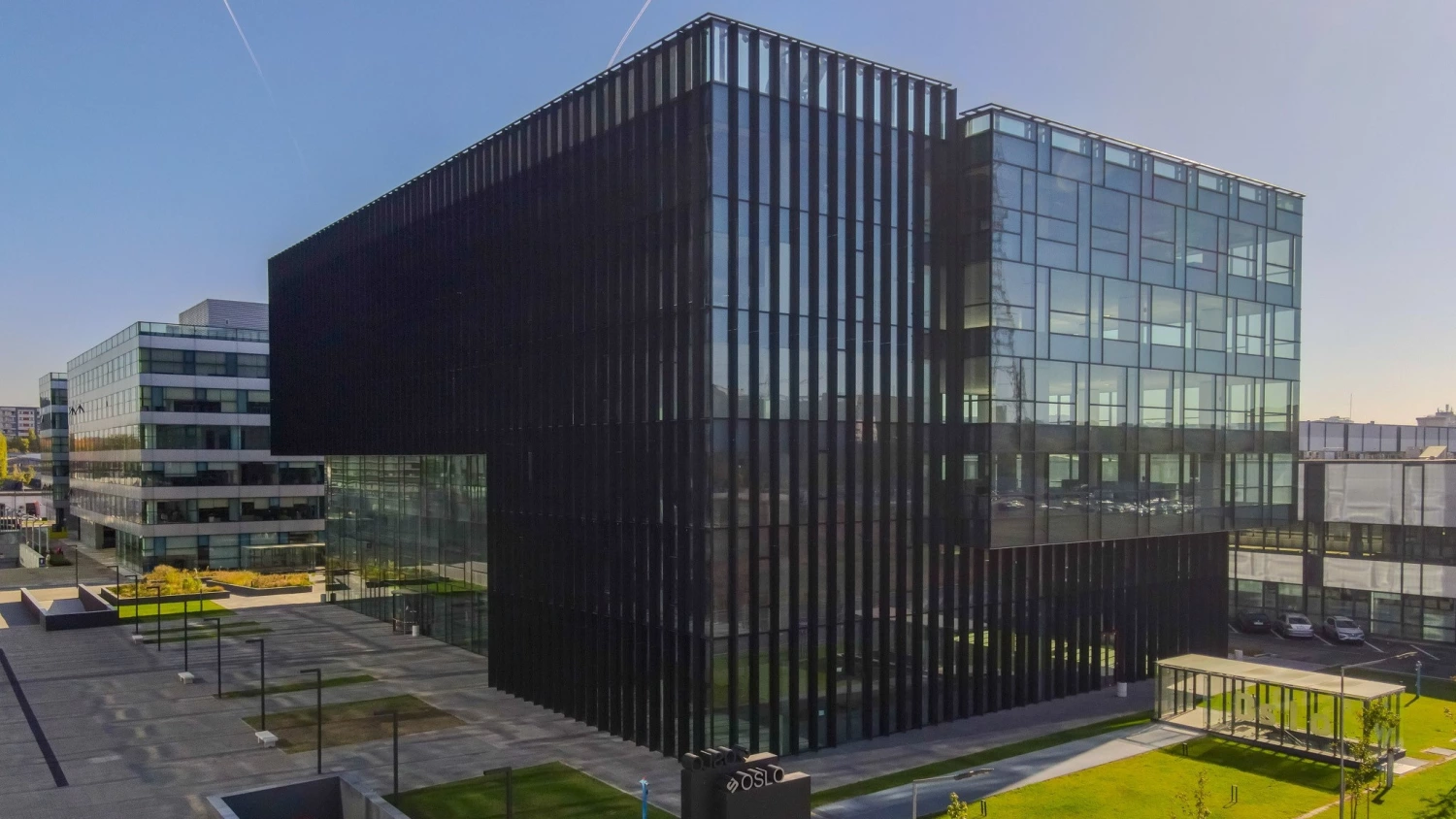
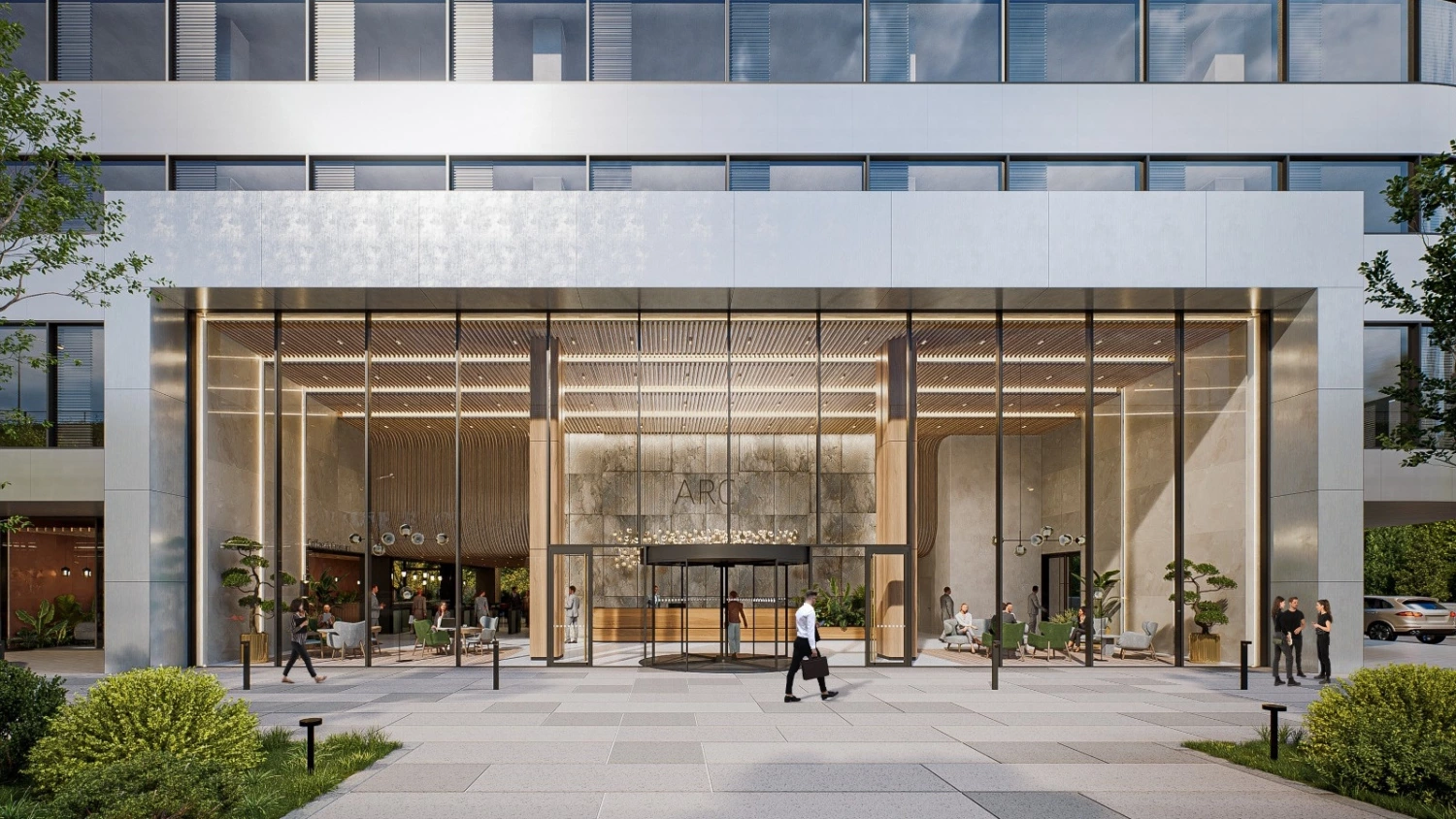
2025 confirmed our strategic direction: when you build the right environment for employees to grow, demand follows. Across the London and Oslo office buildings, we exceeded our initial forecasts, securing a healthy mix of new leases and welcoming six new tenants. Honestly, the number that matters most to me is not the volume, but the decisions tenants are making based on workplace quality and amenities. As I continue to maintain, office real estate is no longer just about square meters and desks; building amenities, tenant relationships, and public transport accessibility are becoming the new criteria. New entrants are choosing places that reflect their corporate identity and their care for their teams. This shift is exactly why we created this multifunctional hub.
How has EVO Properties specifically positioned its hub to capture the flight to quality from tenants downscaling their footprint but upgrading their environment?
The polarisation is real, and it is accelerating; companies are shrinking their footprint but raising their standards. That is not a contradiction; it is an evolution. At the London and Oslo hub, we made a deliberate choice early on: do not compete just on square meters—compete on experience. The office is just one layer of what we offer. Around it, we have built an ecosystem of wellness, social interaction, and everyday convenience, so that coming to work feels like a choice, not an obligation. This is what tenants are looking for today, as confirmed by our healthy pipeline of potential new tenants for 2026.
How have specific cultural and social elements—such as your emphasis on speciality coffee and social interaction—measurably influenced tenant retention rates over the past 12 months?
We do not underestimate the power of small moments and building great teams around shared social interactions. A chat over coffee in the morning, a casual conversation in a well-designed common area, a lunch at a canteen that cares about the food it serves, or not having to leave the building for sports because a gym is included—these are not perks; they are the fabric of building a community. Over the past 12 months, we have seen this translate directly into greater tenant stability. When people feel good in a space, they stay.
With premium office deliveries at a historic low in 2026, what significant CAPEX investments were made in late 2025 to ensure your existing assets remain competitive against newer, upcoming projects?
We did not chase newness for its own sake. From day one, our approach has been about repositioning with purpose, upgrading shared spaces, deepening the multifunctional character of the hub, and ensuring every square meter earns its place. We invested in building the first closed-circuit gym (free for all tenants), outfitting the medical clinic and the canteen, and developing the urban garden that offers outdoor space for work or social life. We also doubled down on air quality, energy performance, and state-of-the-art building automation because, in a polarised market, relevance is about how a building performs day in and day out.
In 2026, what technical or operational upgrades have had the most direct impact on reducing utility costs for your tenants?
The best upgrade is the one you do not need to make because you got it right from the start. Our buildings were built and are operated to top-tier standards, featuring BREEAM Outstanding certification, advanced building management systems, and—as the first in Bucharest—fully electric HVAC systems that do not use fossil fuels. In 2026, our focus has been on optimisation and consistency rather than reinvention. Due to further investment, we recently received a certification from Build Green for high standards in indoor air quality and effective ventilation. For tenants, predictability is as valuable as performance, and we deliver both.
How are you integrating wellness and medical services more deeply into the daily routine of the London and Oslo communities?
Wellness only works when it is part of the day, not added on top of it. At the London and Oslo hubs, we have built it that way from the ground up. EVO FIT, medical services, and outdoor spaces are not just amenities on a brochure; they are part of how the building breathes. When someone can work out, see a doctor, or work in a garden without ever leaving the building, well-being stops being a goal and starts being a given. That is the standard we are setting.
Are there specific emerging districts in Bucharest or secondary regional cities where you see the potential to replicate the EVO multifunctional model in late 2026?
Location will always matter, but it is no longer the whole story. In Bucharest, the centre-west corridor remains compelling due to its strong infrastructure, genuine urban regeneration potential, and connectivity. Regional cities are also becoming increasingly relevant as talent pools grow outside the capital. However, wherever we look, the first question we ask is always: can we build something that truly integrates work, life, and community? If the answer is yes, the location becomes an opportunity.
In 2026, how is the EVO hub helping your technology and business services tenants solve the "return-to-office" challenge by creating an environment where employees choose to collaborate?
For our technology and business services tenants, the "return-to-office" challenge is real, and we take it seriously. No policy ever convinced someone to enjoy their commute; what actually solves it is an environment where the day is simply better in the office than anywhere else. We built a place that makes sense from morning to evening. In a nutshell, we empower companies to use the proverbial carrot instead of the stick for their return-to-office policies.