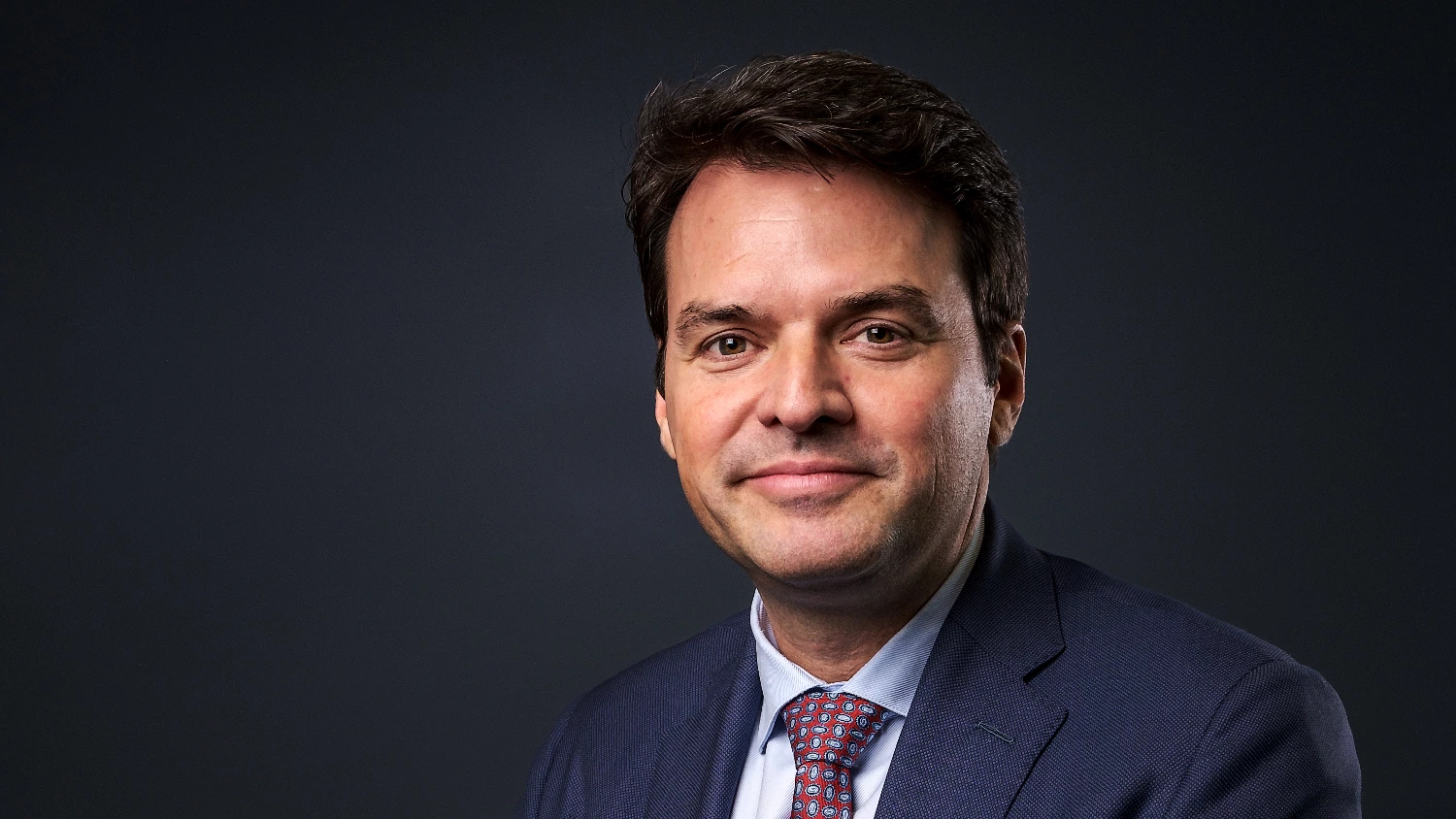



"We have ongoing projects in both Romania and Germany, which allows us to directly observe the differences between the two systems. Limiting the possibility of increasing land-use and density indicators through Zonal Urban Plans and establishing key parameters through higher-level urban planning documentation brings the Romanian approach closer to the one we see in Germany, where amendments to an urban plan generally follow a formal procedure," said Dan Craciunescu, founder of West Group. He added that predictability depends on consistent application as much as on the content of legislation itself, noting that CATUC's effects will become easier to assess as local authorities begin implementing the new procedures.
On permitting timelines, Craciunescu welcomed the shorter deadlines introduced by CATUC for planning documentation and building permits, while cautioning that a period of adjustment is likely. "Even in Germany, where procedures are well established, obtaining approval for a project can take several months. The deadlines proposed in Romania are ambitious and welcome. There will likely be a natural adjustment period, especially considering that local authorities differ in terms of capacity and workload," he said.
The code also introduces urbanisation agreements, through which developers and local authorities can negotiate infrastructure contributions linked to a development. Craciunescu noted that similar mechanisms exist in Germany and can work well when responsibilities are clearly defined from the outset. He stressed that cost transparency will be central to the success of both urbanisation agreements and the new territorial infrastructure contribution, arguing that a clear calculation formula will allow investors to incorporate these obligations more accurately into project assessments.
"We see in CATUC a number of principles that bring Romania closer to practices we encounter in Germany. I do believe that greater clarity of rules, more predictable procedures and a clearly defined dialogue between public authorities and investors can be beneficial. How these principles will work in practice in Romania will naturally become evident over the coming period," Craciunescu concluded. West Group has delivered more than 220 projects and currently manages more than 20 active projects across Romania and Germany, including a strategic partnership for NATO-related infrastructure projects in Germany valued at more than €100 million over five years.